

Category Archives: For Buyers

Auto Added by WPeMatico

24% of Renters Believe Winter is the Best Time to Buy a Home

24% of Renters Believe Winter is the Best Time to Buy a Home | Simplifying The Market

In real estate, the spring is often seen as the ideal time to buy or sell a house. The term “Spring Buyer’s Season” exists for a reason, as renters and those looking to move on from their current home thaw out from the winter and hit the market ready to buy.

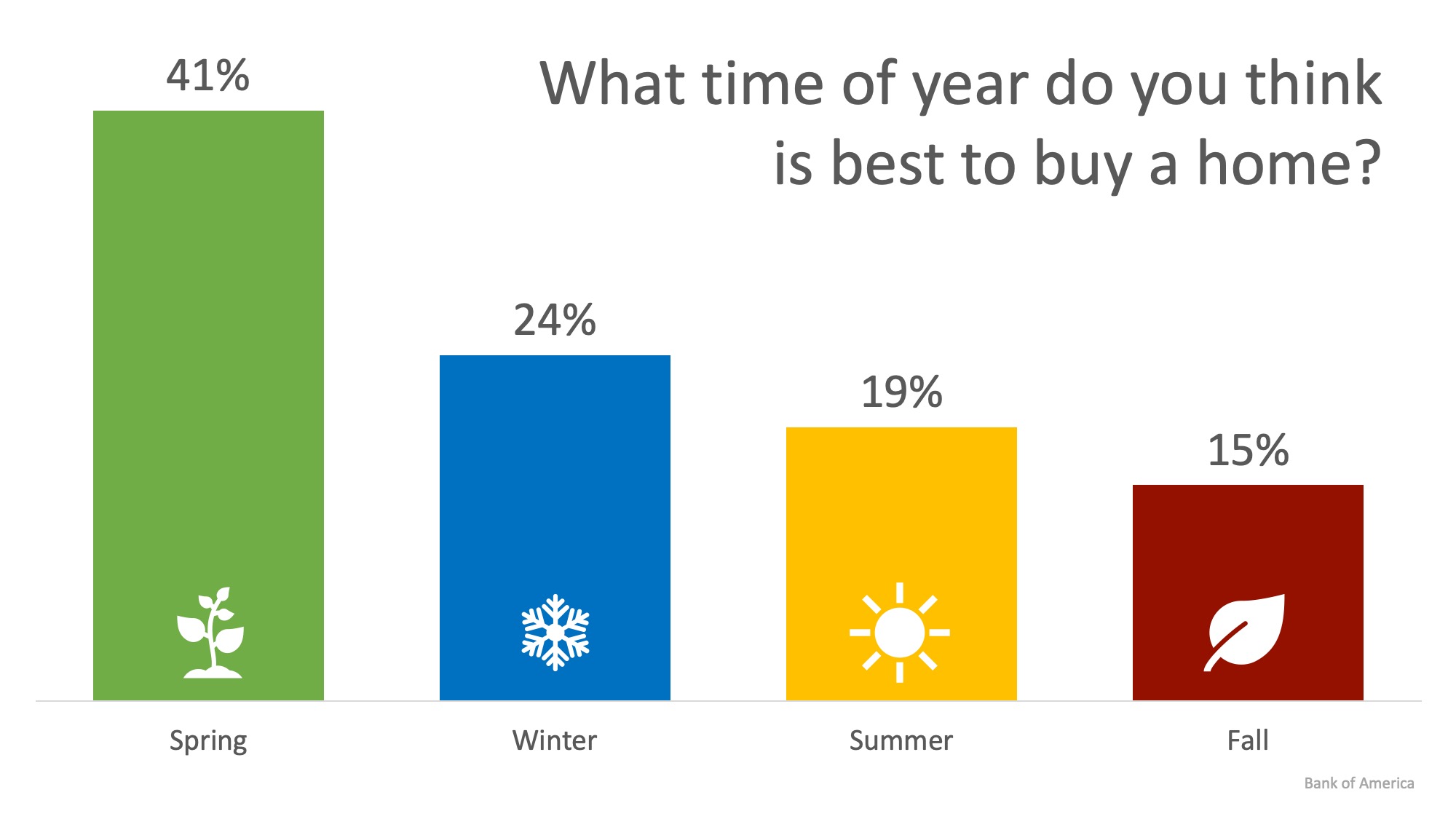
According to Bank of America’s annual Home Buyer Insights Report, 41% of renters surveyed agree that spring is the best time to buy a home. The surprising result, however, is that when ranking the seasons, winter comes in second at 24%.
24% of Renters Believe Winter is the Best Time to Buy a Home | Simplifying The Market

In many areas of the country, the spring and summer are the most competitive seasons for buyers. Families with children often want to move over the summer to make sure that their kids are ready for school in the fall. This often leads those families who haven’t found homes to buy to push pause on their search in the fall and winter months.

This creates a great environment for buyers to find a home with less competition. According to moving.com, scheduling a move during the winter months also comes with the best price.

If you define ‘best’ by cost then, generally speaking, you are more likely to save on a move during the late September to April window. Demand for movers usually slows down during this time frame and rates are low.

There are also many benefits to listing your house for sale during the winter months as well!

As we recently mentioned, buyers who are out in the winter are serious about wanting to find a home, and there is traditionally less competition on the market which gives you greater exposure to those buyers.

Bottom Line

As always, the best time to buy or move all depends on each individual buyer or seller’s goals and needs. If you are one of the many who would like to make a move this winter, let’s get together to create a plan to make it happen!


Buyers: Don’t Be Surprised by Closing Costs!

Buyers: Don’t Be Surprised by Closing Costs! | Simplifying The Market

Many homebuyers think that saving for their down payment is enough to buy the house of their dreams, but what about the closing costs that are required to obtain a mortgage?

By law, a homebuyer will receive a loan estimate from their lender 3 days after submitting their loan application and they should receive a closing disclosure 3 days before the scheduled closing on their home. The closing disclosure includes final details about the loan and the closing costs.

But what are closing costs anyway?

According to Trulia:

Closing costs are lender and third-party fees paid at the closing of a real estate transaction, and they can be financed as part of the deal or be paid upfront. They range from 2% to 5% of the purchase price of a home. (For those who buy a $150,000 home, for example, that would amount to between $3,000 and $7,500 in closing fees.)”

Keep in mind that if you are in the market for a home above this price range, your costs could be significantly greater. As mentioned before,

Closing costs are typically between 2% and 5% of your purchase price.

Trulia continues to give great advice, saying that:

“…understanding and educating yourself about these costs before settlement day arrives might help you avoid any headaches at the end of the deal.”

Bottom Line

Speak with your lender and agent early and often to determine how much you’ll be responsible for at closing. Finding out that you’ll need to come up with thousands of dollars right before closing is not a surprise anyone is ever looking forward to.

Will Your Side Hustle Buy You a House This Year?

Will Your Side Hustle Buy You a House This Year? | Simplifying The Market

The top concern for most first-time home buyers is their ability to save for a down payment. According to a new survey, 36% of millennials took on a second job to make their dreams of homeownership a reality in 2017. 

Among millennials with incomes over $100,000 a year, the top ways to come up with the necessary funds were to sell stocks (20%) or to sell cryptocurrency (16%).

The most popular method of savings was the most traditional; 60% of those saving for a down payment used a percentage of their paychecks to achieve their goal, while 75% of those with salaries over $100k were able to save this way.

For those who have not yet begun to save for their down payment, 32% plan on pursuing additional employment, while 15% plan on driving for a ride-share service as their second job.

Many first-time buyers are mistaken about the down payment needed in today’s real estate market. In fact,

“In a 2017 survey, 68% of renters cited saving for a down payment as an obstacle to homeownership. Thirty-nine percent of renters believe that more than 20% is needed for a down payment and many renters are unaware of low-down payment programs.”

The many benefits of homeownership make the extra jobs, sacrificing new clothes, or skipping vacations well worth it.

Bottom Line

If you have been saving for your down payment for a while now and are curious how much further you have to go, let’s get together to help you determine what priced home you can afford and what size down payment you’ll need.

Females Are Making It a Priority to Invest in Real Estate!

Females Are Making It a Priority to Invest in Real Estate! | Simplifying The Market

Everyone wants a place to call home; a place that gives them a sense of security. We are currently seeing major interest from females who want to achieve this dream, and the numbers are proving it!

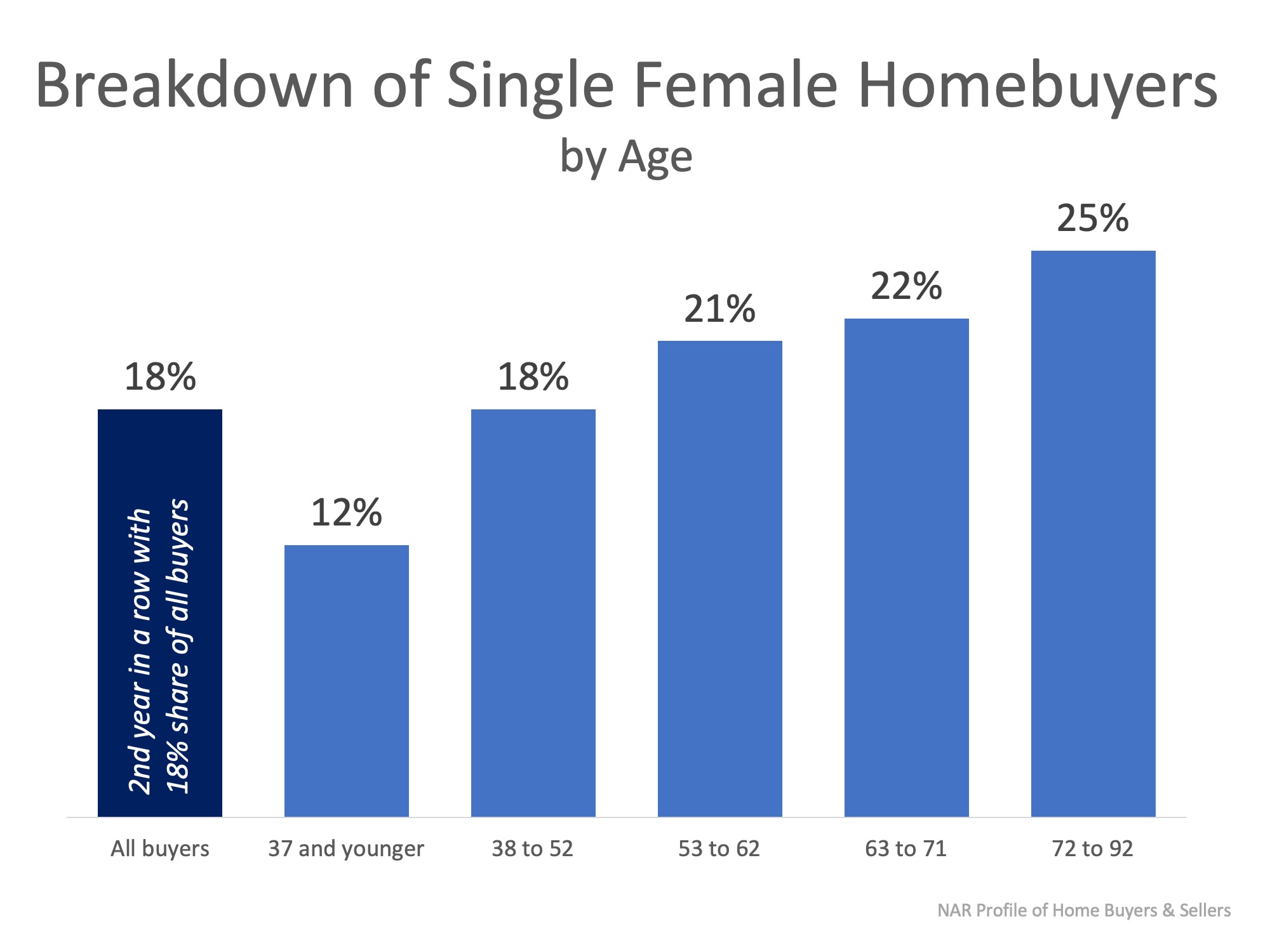
In 2018, for the second year in a row, single female buyers accounted for 18% of all buyers. In 2017, 60% of millennial women listed as the primary borrowers on mortgages were single.

According to the 2018 Home Buyer and Seller Generational Trends Report by the National Association of Realtors, one in five homebuyers in the U.S. were single females (most of them part of the baby boomer generation) as you can see in the graph below:

Females Are Making It a Priority to Invest in Real Estate! | Simplifying The Market

This does not come as a surprise since 50.8% of the U.S. population is female and 15.6% of them are 65 years and over, according to the Census Bureau.

What are the reasons for this demographic’s booming interest in homeownership?

Bankrate published an article with what they believe to be some of the reasons:

  • Divorce rate: Known as the “Gray Divorce,” the divorce rate has doubled for those ages 50 and over and tripled for those ages 65 and over.
  • Average life expectancy: For women it’s 81, four years longer than men.
  • To build home equity: Women want to build equity through their home. As mentioned by Bankrate, “some are hoping to escape rising rents, some might be downsizing or looking for a new start,” especially those going through a gray divorce.

Are they only downsizing and buying small homes?

Not really; The Institute of Luxury Home Marketing recently stated that:

The number of female billionaires grew faster globally in 2017 than the number of male billionaires. This redistribution of wealth has seen an impact on luxury real estate both in its purchase and design attributes – and obviously, this is important for realtors to recognize when relating to their clients.”

Bottom Line

Whether you are a millennial who wants to buy a starter home, a billionaire looking for that luxury home you’ve always wanted, or maybe even someone who just went through a gray divorce, let’s get together to help you create your real estate portfolio so that you can start investing your money in real estate today!

Wage Increases Make Home Buying More Affordable

Wage Increases Make Home Buying More Affordable | Simplifying The Market

Everyone knows that housing affordability has been negatively impacted by rising prices and increasing mortgage rates, but there is another piece to the affordability equation – wages.

How much a family earns obviously impacts how easy or difficult it is for them to afford to own a home. Because of an improving economy, wages are finally beginning to increase – and that dramatically affects home affordability.

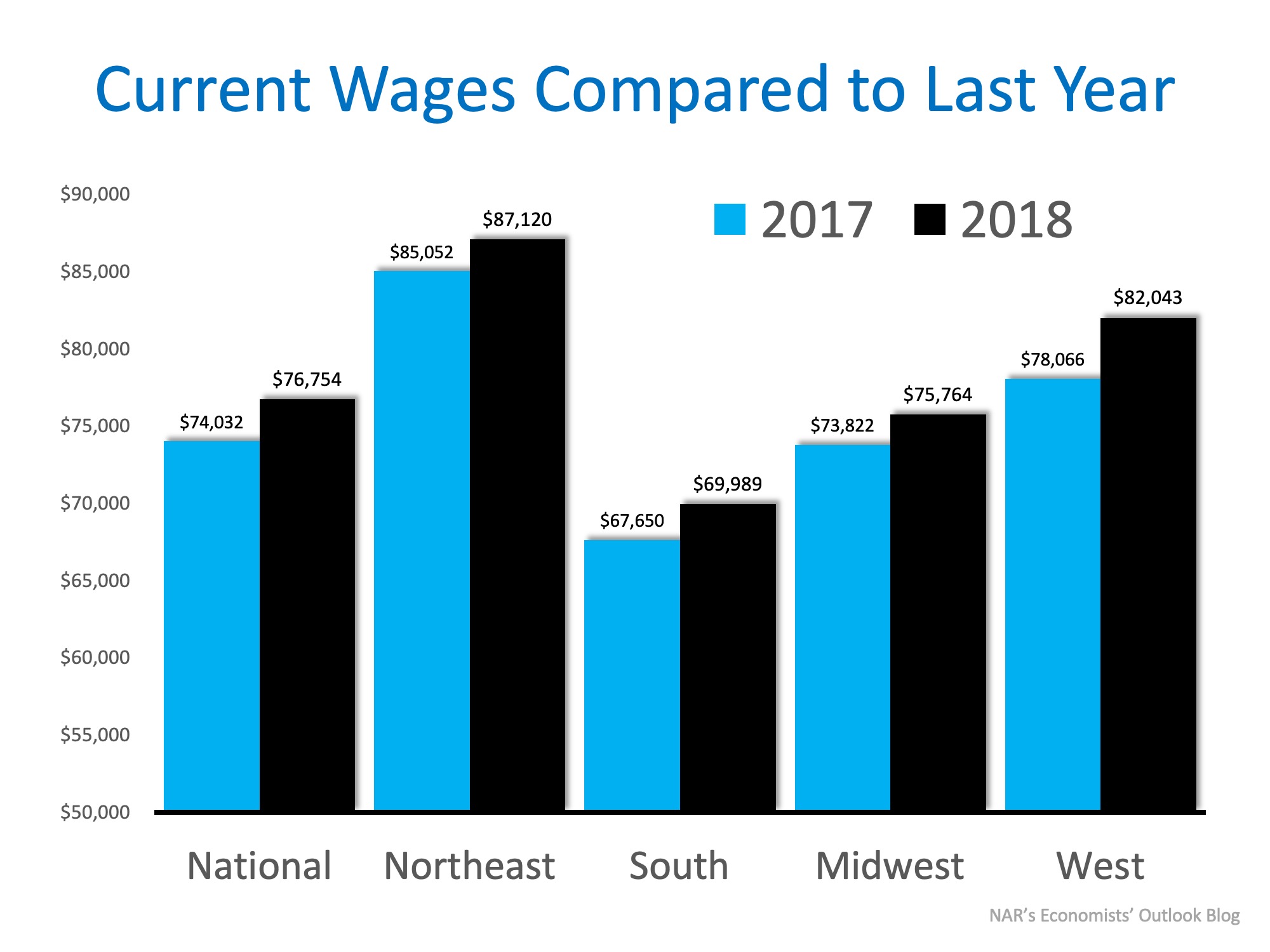
According to the National Association of Realtors’ (NAR) September 2018 Housing Affordability Index, wages have increased in every region of the country:

Wage Increases Make Home Buying More Affordable | Simplifying The Market

After applying current salaries, home prices, and mortgage rates to their Home Affordability Index equation, the index, though still lower than this time last year (160.1 to 146.7), increased over the last month (141.2 to 146.7). For the complete methodology used by NAR, click here.

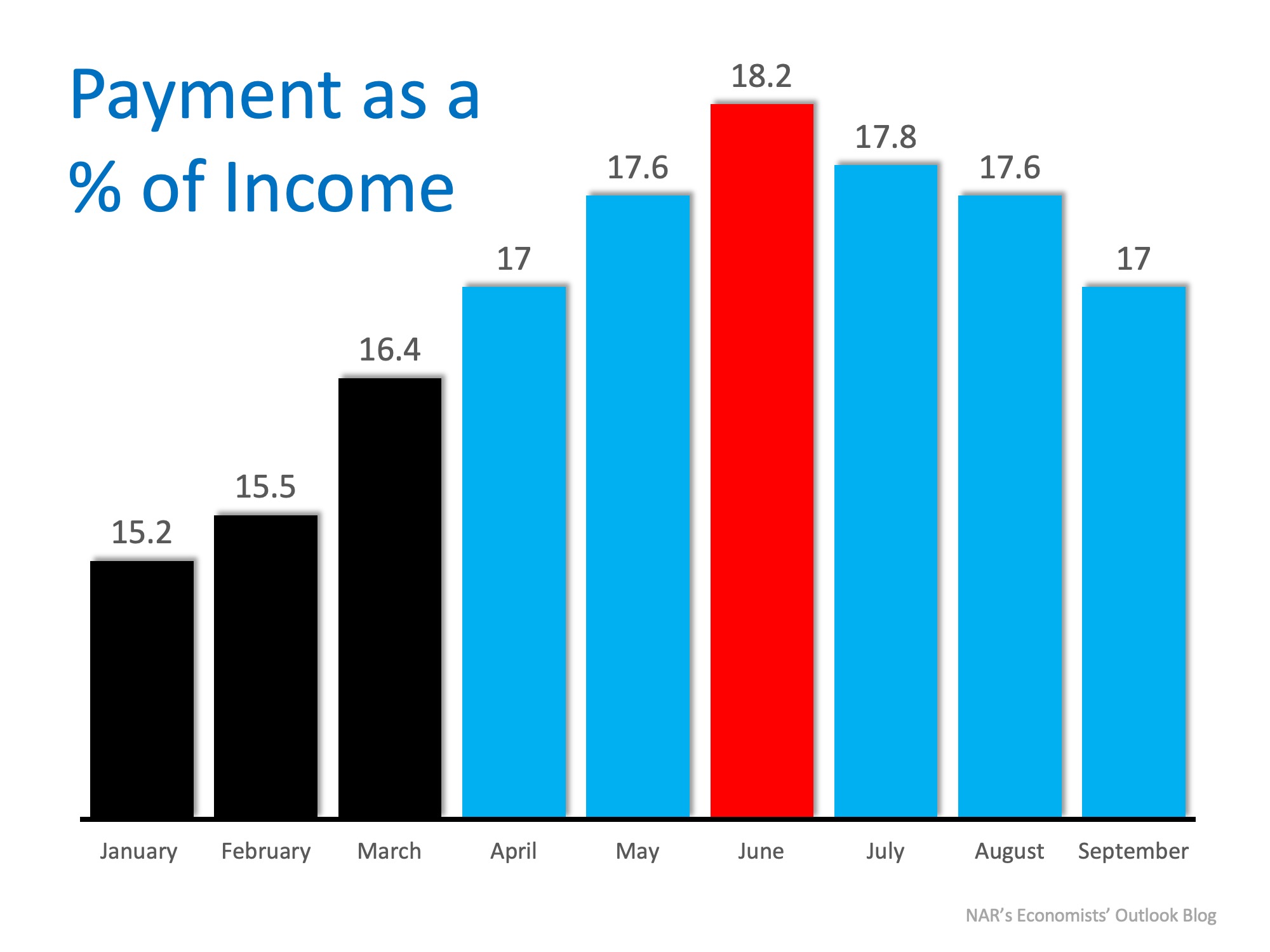
The percentage of income needed to own a home has also decreased each of the last three months. It currently sits at 17% which is substantially lower than historic numbers.

Wage Increases Make Home Buying More Affordable | Simplifying The Market

Bottom Line

If you are a first-time buyer or a move-up buyer who believes that purchasing a home is not within your budget, let’s get together to determine if that is still true.

How to Honor a Veteran Today and Everyday

How to Honor a Veteran Today and Everyday | Simplifying The Market

One hundred years ago, on the eleventh hour of the eleventh day of the eleventh month, we marked the end of the “war to end all wars.” That day, which was to be observed annually on the eleventh day of the eleventh month, became known as Armistice Day and then, later on, became Veterans Day.

But Veterans Day is not for veterans. They don’t serve for thanks or recognition. Veterans Day sets aside a day for those of us who haven’t worn the uniform to acknowledge those who have.

So today, we honor and remember.

If you ask a military family, ANY military family, how you can help them, they will respond without hesitation, “Make sure my service member is taken care of.”

If you ask a service member, ANY service member, how you can best honor them, they will respond without hesitation, “Take care of my family.”

Don’t know anyone who has served or is serving? More than likely, there are veterans in your midst. Each year, 260,000 military personnel relocate to new communities, and another 230,000 transition out of the military. In total, there are 22 million veterans among us in the world.

For those who relocate through a Permanent Change of Station (or PCS), it can be a pretty stressful time. There isn’t a lot of time to find a new place to live and the timeline is more accelerated for finding a place to call home.

MILLIE is an online community and digital marketplace that connects members of the military and their families with specialized knowledge and trusted resource providers to alleviate the stress of PCSing.

According to MILLIE, “70% of active duty families live off the installation and in the surrounding communities.” Wondering what you can do to help make a recently PCSed family feel welcome?

A recent survey of military families revealed that,

“When respondents described the support they most appreciate, family, friends, and faith-based communities rose to the top. When they described the support they needed, they called for more networking, communication, and support groups.

Families said that when leaving service, they feel as though they do not fit into the civilian world. Forging partnerships between military and civilian support systems will encourage pathways of understanding.”

If you find out that your new neighbor may have been PCSed, make an effort to share what you know about your community, from the best pizza place to where you can get your oil changed.

If you know that the service member of the family is actively deployed, helping out with tasks like mowing the lawn or bringing over a home-cooked meal are small gestures that will go a long way towards welcoming this family into their new home.

Bottom Line

Today, we honor and remember those who have served for our country. Everyone always asks what they can do to help, sometimes the simplest answer is the best one.

More about MILLIE:

MILLIE is an online community and digital marketplace that connects members of the military and their families with specialized knowledge and trusted resource providers to alleviate the stress of PCS’ing. Check out MILLIE’s Installation Guides, their network of Veteran and military spouse real estate agents, and MILLIE Scouts, their on-demand task service comprised of military spouses.

VA Home Loans by the Numbers [INFOGRAPHIC]

VA Home Loans by the Numbers [INFOGRAPHIC] | Simplifying The Market

VA Home Loans by the Numbers [INFOGRAPHIC] | Simplifying The Market

Some Highlights:

  • The Veterans Administration (VA) Home Loan is a benefit that is available to more than 22 million veterans & 2 million active duty service members which helps them achieve their dreams of homeownership.
  • In 2017, $189 billion was loaned to veterans and their families through the program.
  • VA Purchase Loans are on the rise in 46 out of 50 states and Washington, DC.

75% of Renters Have Been Misinformed

75% of Renters Have Been Misinformed | Simplifying The Market

Recently, multiple headlines have been written asserting that homeownership is less affordable today than at any other time in the last decade. Though the headlines are accurate, they lack context and lead too many Americans to believe that they can’t partake in a major part of the American Dream – owning a home.

In 2008, the housing market crashed and home values fell by as much as 60% in certain markets. This was the major trigger to the Great Recession we experienced from 2008 to 2010. To come back from that recession, mortgage interest rates were pushed down to levels that were never seen before.

For the last ten years, you could purchase a home at a dramatically discounted price and attain a mortgage at a historically low mortgage rate.

Affordability skyrocketed.

Now that home values have returned to where they should be, and mortgage rates are beginning to increase, it is less affordable to own a home than it was over the last ten years.

However, what is not being reported is that it is MORE AFFORDABLE to own a home today than at any other time since 1985 (when data was first collected on this point).

If you take out the years after the crash, affordability today is greater than it has been at almost any time in American history.

This has not been adequately reported which has led to many Americans believing that they cannot currently afford a home.

As an example, the latest edition of Freddie Mac’s Research: Profile of Today’s Renter reveals that 75% of renters now believe it is more affordable to rent than to own their own homes. This percentage is the highest ever recorded. The challenge is that this belief is incorrect. Study after study has proven that in today’s market, it is less expensive to own a home than it is to rent a home in the United States.

Thankfully, some are starting to see this situation and accurately report on it. The National Association of Realtors, in their 2019 Housing Forecast, mentions this concern:

“While the U.S. is experiencing historically normal levels of affordability, potential buyers may be staying out of the market because of perceived problems with affordability.”

Bottom Line

If you are one of the many renters who would like to own their own homes, let’s get together to find out if homeownership is affordable for you right now.

Why Has Housing Supply Increased as Sales Have Slowed Down?

Why Has Housing Supply Increased as Sales Have Slowed Down? | Simplifying The Market

According to the latest Existing Home Sales Report from the National Association of Realtors (NAR), the inventory of homes for sale this year compared to last year has increased for the last four months, all while sales of existing homes have slowed compared to last year’s numbers.

For over three years leading up to this point, the exact opposite was true; Inventory dropped as sales soared.

NAR’s Chief Economist Lawrence Yun shed some light on what could be contributing to this shift,

“This is the lowest existing home sales level since November 2015. A decade’s high mortgage rates are preventing consumers from making quick decisions on home purchases. All the while, affordable home listings remain low, continuing to spur underperforming sales activity across the country.”

Let’s take a deeper look:

Interest Rates

Since January, 30-year fixed mortgage interest rates have increased nearly a full percentage point (from 3.95% to 4.9%). Fannie Mae, Freddie Mac, the National Association of Realtors, and the Mortgage Bankers Association are all in agreement that rates will continue to increase to about 5.2% over the next 12 months.

“The rise in [mortgage] rates paired with this very strong price appreciation absolutely is slowing housing,” said Fannie Mae’s Chief Economist Doug Duncan.

Even though rates are higher than they’ve been in a decade, they still remain below the average for the 1970s, 80s, 90s, and 2000s!

Mismatch of Inventory

Elizabeth Mendenhall, President of NAR, said it best, “Despite small month over month increases, the share of first-time buyers in the market continues to underwhelm because there are simply not enough listings in their price range.”

Prices of starter and trade-up homes have appreciated faster than their higher-priced counterparts. Over the last 5 years, the lowest-priced homes have appreciated by 47% while the highest-priced homes have appreciated by only 24%.

According to the Institute of Luxury Home Market’s Luxury Market Report, the $1M-and-up price range is now experiencing a buyer’s market. This means that supply (inventory) has finally caught up with demand and buyers are in the driver’s seat when it comes to negotiations. Additionally, many listings in this price range have experienced price cuts in order to entice buyers to put in offers.

Natural Disasters

Although not fully to blame for the national shortage in sales and inventory, natural disasters like Hurricane Florence, Hurricane Michael, and the wildfires on the West Coast have certainly had an impact.

Bottom Line

Additional inventory coming to market could help normalize the housing market and allow incomes to catch up to home prices. For more information about sales and inventory in our area, let’s get together so we can help you make the best decision for you and your family.

5 Tips When Buying a Newly Constructed Home

5 Tips When Buying a Newly Constructed Home | Simplifying The Market

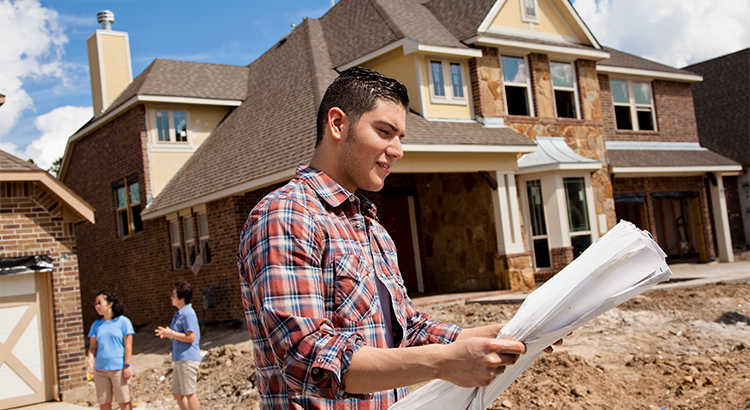
The lack of existing inventory for sale has forced many homebuyers to begin looking at new construction. When you buy a newly constructed home instead of an existing home, there are many extra steps that must take place.

To ensure a hassle-free process, here are 5 tips to keep in mind if you are considering new construction:

1. Hire an Inspector

Despite the fact that builders must comply with town and city regulations, a home inspector will have your best interests in mind! When buying new construction, you will have between 1-3 inspections, depending on your preference (the foundation inspection, the pre-drywall inspection, and a final inspection).

These inspections are important because the inspector will often notice something that the builder missed. If possible, attend the inspection so that you can ask questions about your new home and make sure the builder fixes any problems found by the inspector.

2. Maintain good communication with your builder

Starting with the pre-construction meeting (where you will go over all the details of your home with your project manager), establish a line of communication. For example, will the builder email you every Friday with progress updates? If you are an out-of-state buyer, will you receive weekly pictures of the progress via email? Can you call the builder and if so, how often? How often can you visit the site?

3. Look for builder’s incentives

The good thing about buying a new home is that you can add the countertop you need, the mudroom you want, or an extra porch off the back of your home! However, there is always a price for such additions, and they add up quickly!

Some builders offer incentives that can help reduce the amount you spend on your home. Do your homework and see what sort of incentives the builders in your area are offering.

4. Schedule extra time into the process

There are many things that can impact the progress on your home. One of these things is the weather, especially if you are building in the fall and winter. Rain can delay the pouring of a foundation as well as other necessary steps at the beginning of construction, while snow can freeze pipes and slow your timeline.

Most builders already have a one-to-two-week buffer added into their timelines, but if you are also in the process of selling your current home, you must keep that in mind! Nobody wants to be between homes for a couple of weeks.

5. Visit the site often

As we mentioned earlier, be sure to schedule time with your project manager at least once a week to see the progress on your home. It’s easy for someone who is not there all the time to notice little details that the builder may have forgotten or overlooked. Additionally, don’t forget to take pictures! You might need them later to see exactly where that pipe is or where those electrical connections are once they’re covered up with drywall!

Bottom Line

Watching your home come to life is a wonderful experience that can sometimes come with hassles. To avoid some of these headaches, keep these tips in mind!

If you are ready to put your current home on the market and find out what new construction is available in your area, let’s get together to discuss your options!