

Category Archives: For Sellers

Auto Added by WPeMatico

24 Hours that Suddenly Improved the Market

24 Hours that Suddenly Improved the Market | Simplifying The Market

This year started strong for real estate, but then the market began to soften. Home inventory in the starter and move-up categories dwindled to almost nothing, mortgage rates were projected to rise, and home sales had decreased for several months in a row.

To many, the outlook heading into 2019 appeared dim… at best.

Then, in a 24-hour window last week, things seemed to change. On Wednesday, the National Association of Realtors’ (NAR) revealed in their Existing Homes Sales Report that home sales had INCREASED for the second consecutive month. The next day, NAR’s economic research team announced that the percentage of first-time buyers in the market was higher than last month and even higher than a year ago.

What happened to turn around the downward momentum in the market? 

You only needed to wait a few hours to find out. On the heels of NAR’s revelations, Zillow released their November Real Estate Market Report that explained:

“After nearly four years of annual declines in inventory, the number of homes for sale has now increased year-over-year for three straight months…”

Ending 2018, we now know two things:

  1. Listing inventory increased over the last three months
  2. Home sales increased over the last two months

Maybe a lack of inventory was the major challenge all along.

But, what about those pesky interest rates?

Last Thursday (the day after all of the above news), Freddie Mac announced that mortgage rates did not increase but instead decreased…again. From their release:

“The response to the recent decline in mortgage rates is already being felt in the housing market. After declining for six consecutive months, existing home sales finally rose in October and November and are essentially at the same level as during the summer months.

This modest rebound in sales indicates that homebuyers are very sensitive to mortgage rate changes – and given the further drop in rates we’ve seen this month, we expect to see a modest rebound in home sales as well.”

Bottom Line

Will 2019 start out better than many have predicted? Perhaps, but we’ll have to wait and see. Things do look much better today, though, than they did just a month ago.

Buyers Are Looking for Your Home, Now [INFOGRAPHIC]

Buyers Are Looking for Your Home, Now [INFOGRAPHIC] | Simplifying The Market

Buyers Are Looking for Your Home, Now [INFOGRAPHIC] | Simplifying The Market

Some Highlights:

  • Existing home sales are currently at an annual pace of 5.32 million and have increased on a monthly basis for the last two months.
  • The inventory of existing homes for sale remains below the 6-months needed for a normal market and is now at a 3.9-month supply.
  • Inventory remains low due to high demand from buyers who are still looking for houses to buy!

4 Quick Reasons NOT to Fear a Housing Crash

There is a lot of uncertainty regarding the real estate market heading into 2019. That uncertainty has raised concerns that we may be headed toward another housing crash like the one we experienced a decade ago.

Here are four reasons why today’s market is much different:

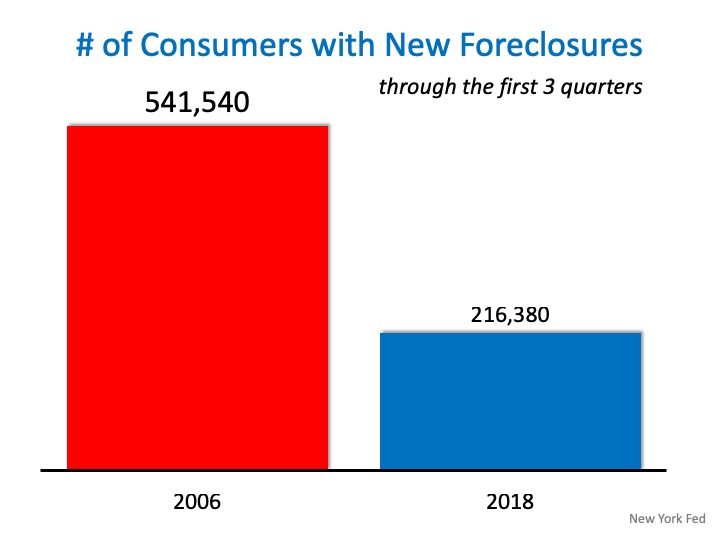
1. There are fewer foreclosures now than there were in 2006

A major challenge in 2006 was the number of foreclosures. There will always be foreclosures, but they spiked by over 100% prior to the crash. Foreclosures sold at a discount and, in many cases, lowered the values of adjacent homes. We are ending 2018 with foreclosures at historic pre-crash numbers – much fewer foreclosures than we ended 2006 with.

4 Quick Reasons NOT to Fear a Housing Crash | Simplifying The Market

2. Most homeowners have tremendous equity in their homes

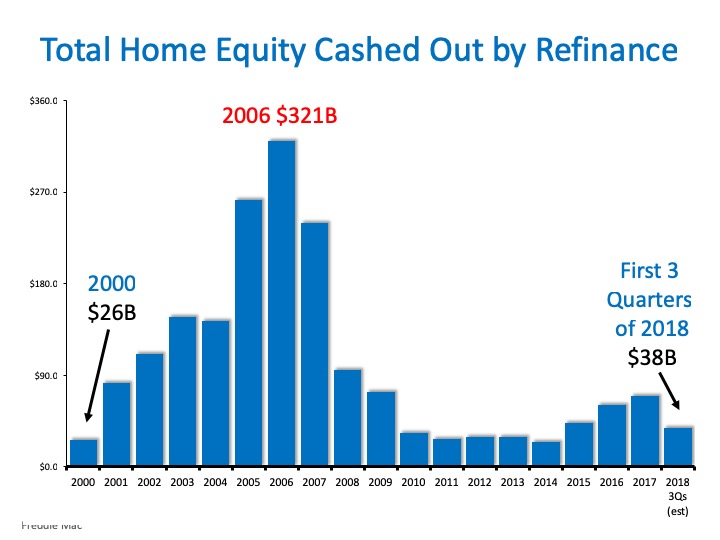
Ten years ago, many homeowners irrationally converted much, if not all, of their equity into cash with a cash-out refinance. When foreclosures rose and prices fell, they found themselves in a negative equity situation where their homes were worth less than their mortgage amounts. Many just walked away from their houses which led to even more foreclosures entering the market. Today is different. Over forty-eight percent of homeowners have at least 50% equity in their homes and they are not extracting their equity at the same rates they did in 2006.

4 Quick Reasons NOT to Fear a Housing Crash | Simplifying The Market

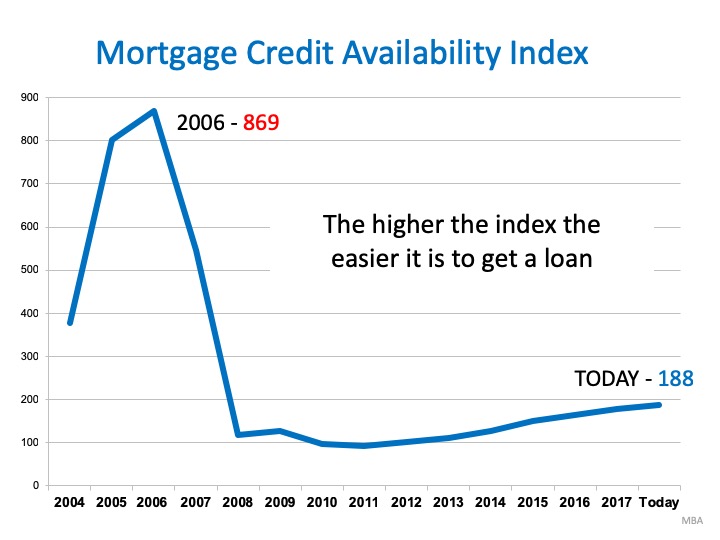
3. Lending standards are much tougher

One of the causes of the crash ten years ago was that lending standards were almost non-existent. NINJA loans (no income, no job, and no assets) no longer exist. ARMs (adjustable rate mortgages) still exist but only as a fraction of the number from a decade ago. Though mortgage standards have loosened somewhat during the last few years, we are nowhere near the standards that helped create the housing crisis ten years ago.

4 Quick Reasons NOT to Fear a Housing Crash | Simplifying The Market

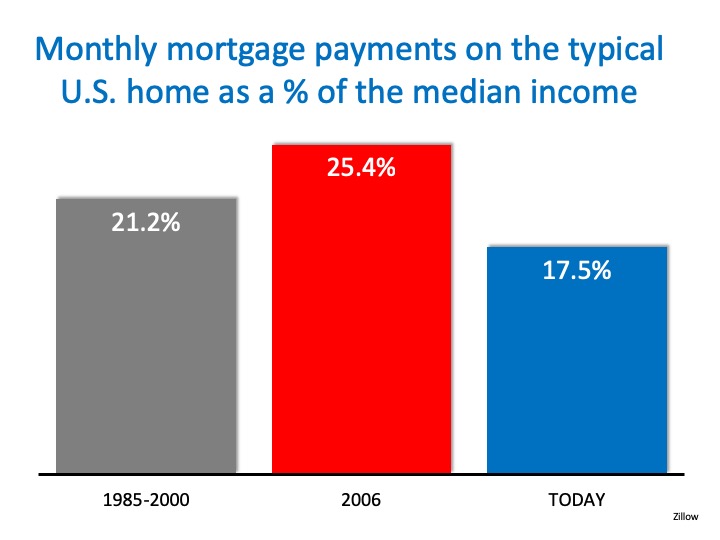
4. Affordability is better now than in 2006

Though it is difficult to afford a home for many Americans, data shows that it is more affordable to purchase a home now than it was from 1985 to 2000. And, it requires much less of a percentage of your income today than it did in 2006.

4 Quick Reasons NOT to Fear a Housing Crash | Simplifying The Market

Bottom Line

The housing industry is facing some rough waters heading into 2019. However, the graphs above show that the market is much healthier than it was prior to the crash ten years ago.

Why Houses DO NOT Sell in a Strong Market

5 Reasons Your House Has Not Sold in a Strong RE Market | Simplifying The Market

As we approach the end of the year, many homeowners find themselves asking the question, “If we’re currently in a strong real estate market, why won’t my house sell?

Below are the 5 most common reasons why a listing contract will expire:

1. The Price

Sometimes when the market is hot, homeowners attempt to set their listing price higher. Their hope is that a motivated buyer will be willing to pay any price for a house in their desired neighborhood! Sellers must remember, though, that in today’s market a house must be sold twice; first to the buyer and then to their bank.

A buyer can agree to pay the homeowner’s asking price, but after the bank conducts their appraisal, the price might need to be adjusted. The bank will only give the buyer a mortgage for the value of determined in the appraisal.

Sellers must also keep in mind that today’s homebuyers are well-educated. Before they look to buy a house, they have already seen many houses online. They’ve done their research on the neighborhoods they are interested in, including information on the school districts in the area.

They will know if your house seems overpriced and will not waste their time considering it. This is why it’s so important to make sure that your home is priced right from day one on the market!

2. The Condition of the House

In many areas, builders are taking advantage of the lack of inventory of homes for sale by building new houses. These newly constructed homes create competition for existing homes in the market. For this reason, many homeowners are making renovations and updates to their homes to compete with the new construction in their marketplace.

Most agents recommend that homeowners declutter their houses before putting them on the market. Buyers want to be able to imagine themselves living in the home instead of focusing on the current homeowner’s decor.

It’s important to take care of the small problems like dripping faucets and torn screens, while also remembering to remove any posters hanging in your teenager’s bedroom. Making sure your home is in perfect condition will make buyers fall in love with it and will ultimately help you get the right price for your house!

3. Seller’s Motivation

Why did the seller put their house on the market in the first place? Is the seller’s motivation still the same as it was when they first listed?

If homeowners are really motivated to sell, they will make sure their houses are both priced right and in good condition. The seller’s motivation will push them to consider all offers and help them make the right decision for their family’s future.

4. Marketing Plan

Having a marketing plan is important! According to NAR’s 2018 Profile of Home Buyers and Sellers, 95% of buyers searched online for a home last year. The days of looking for a newspaper ad or yard sign in your preferred neighborhood are over.

If you want to sell your home, you need a real estate professional who understands your local market and knows how to promote your home online. Something as simple as using pictures taken by a professional photographer can make a huge impact in advertising your home!

5. Lack of Communication with Your Agent

Keeping an open line of communication with your agent is crucial in getting your home sold with the least amount of hassles, in the right amount of time, and for the right price! From the beginning, establish a continuous line of communication with your agent, and make sure you review your agreement often to see if any changes need to be made. For example, adjusting the selling price!

Bottom Line

There are houses selling every single day because they are listed at the right price, they have the right marketing plan, and they are staged for the sale. If for some reason your home didn’t sell and you’re still motivated to get it sold, let’s get together to figure out the reason your house isn’t selling!

4 Reasons to Sell Your House This Winter [INFOGRAPHIC]

4 Reasons to Sell Your House This Winter [INFOGRAPHIC] | Simplifying The Market

Some Highlights:

  • Buyer demand continues to outpace the supply of homes for sale which means that buyers are often competing with one another for the few listings that are available!
  • Housing inventory is still under the 6-month supply needed to sustain a normal housing market.
  • Perhaps the time has come for you and your family to move on and start living the life you desire.

How to Simply Increase Your Family Wealth by Paying for Housing

How to Simply Increase Your Family Wealth by Paying for Housing | Simplifying the Market

Everyone should realize that unless you are living somewhere rent-free, you are paying a mortgage – either yours or your landlord’s. Buying your own home provides you with a form of ‘forced savings’ that allows you to use your monthly housing costs to increase your family’s wealth.

Every month that you pay your mortgage, you are paying off a portion of the debt that you took on to purchase your home. Therefore, you own a little bit more of your home every month in the form of home equity. As your home’s value increases you also gain home equity.

Every quarter, Pulsenomics surveys a nationwide panel of over 100 economists, real estate experts, and investment and market strategists and asks them to project how residential home prices will appreciate over the next five years for their Home Price Expectation Survey (HPES).

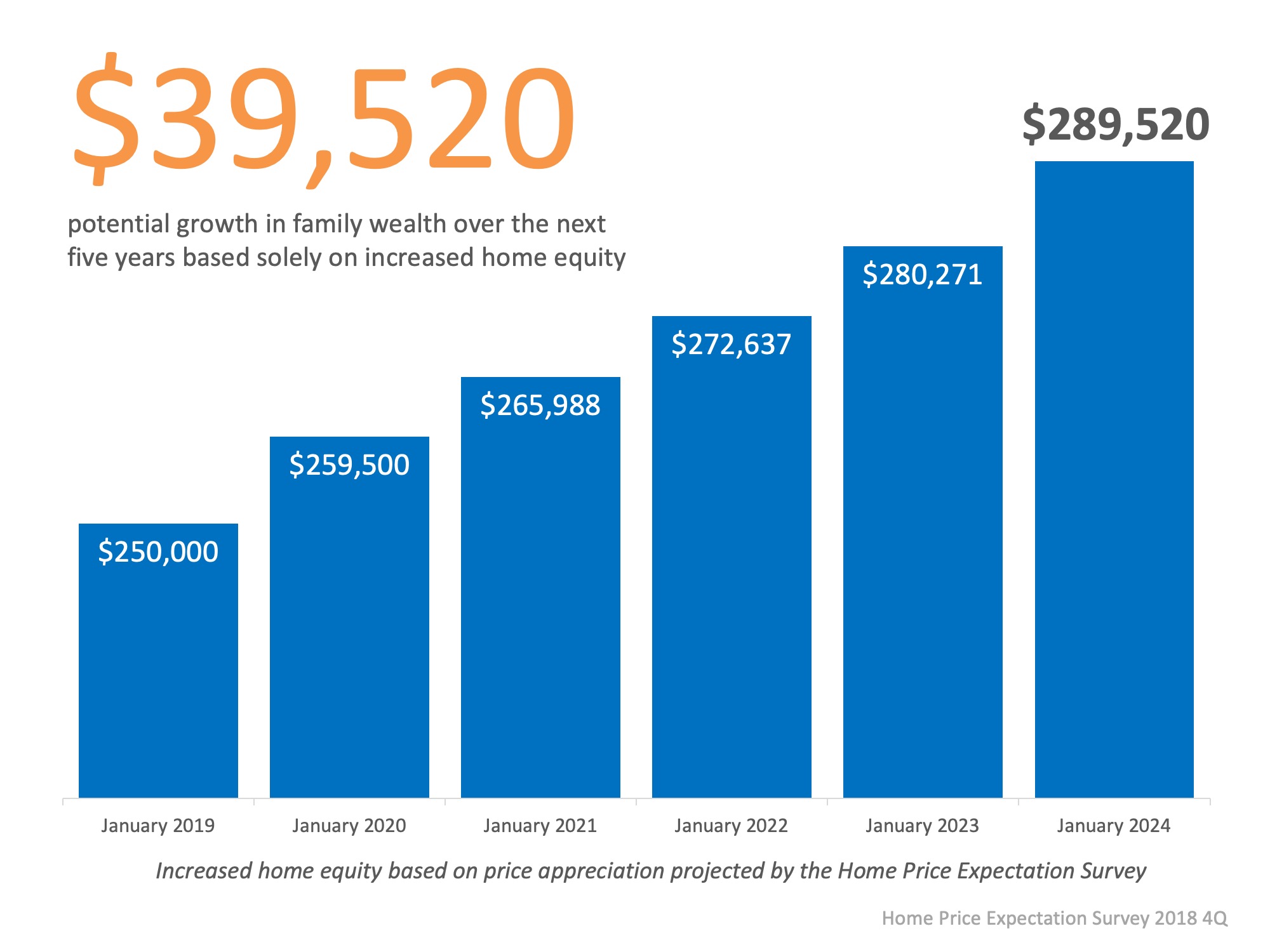
The latest data from their Q4 2018 Survey revealed that home prices are expected to round out the year 5.8% higher than they were in January. For the next 5 years, home values will appreciate by an average of nearly 3% a year.

This is still great news for homeowners!

For example, let’s assume a young couple purchases and closes on a $250,000 home in January. Simply through their home appreciating in value, those homeowners can build their home equity by nearly $40,000 over the next five years.

How to Simply Increase Your Family Wealth by Paying for Housing | Simplifying the Market

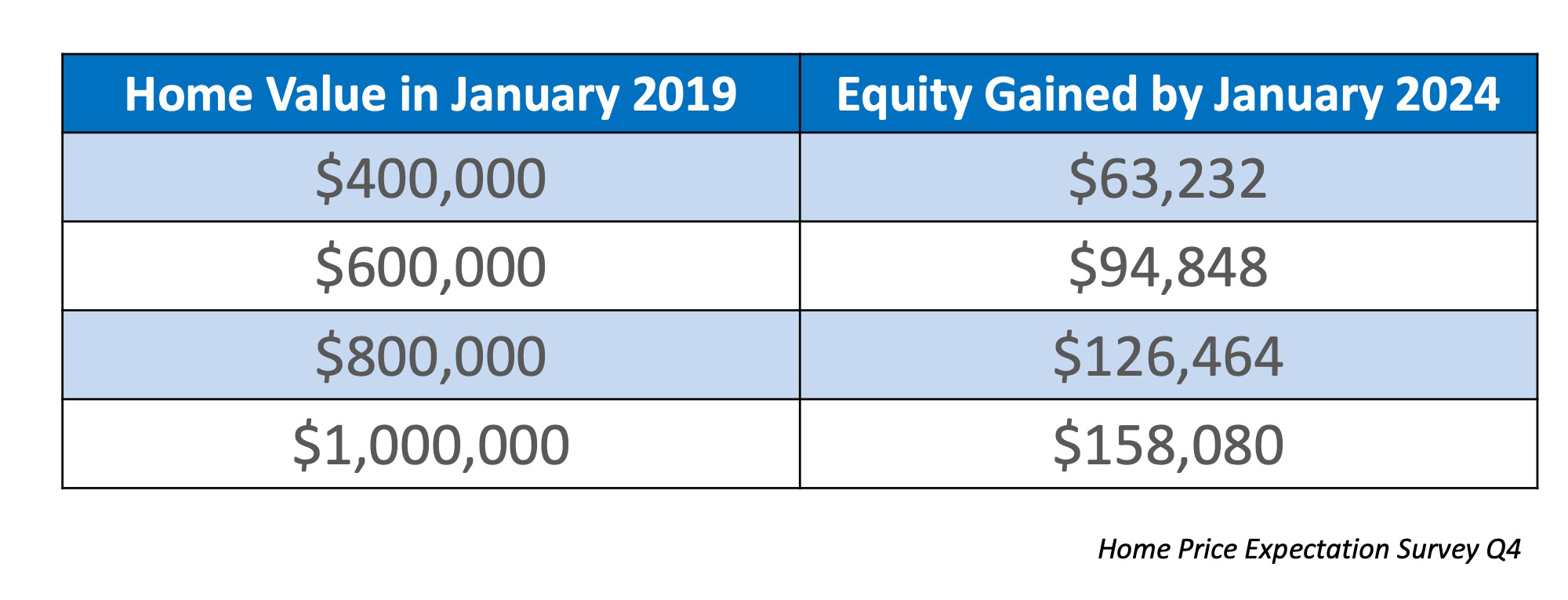
Let’s look at the potential equity gained over the same period of time at some higher price points:

How to Simply Increase Your Family Wealth by Paying for Housing | Simplifying the Market

In many cases, home equity is a large portion of a family’s overall net worth.

Bottom Line

If your plan for 2019 includes entering the housing market to purchase a home, whether it’s your first or your fifth, let’s get together to make your plan a reality!

The Tale of Two Markets [INFOGRAPHIC]

The Tale of Two Markets [INFOGRAPHIC] | Simplifying The Market

The Tale of Two Markets [INFOGRAPHIC] | Simplifying The Market

Some Highlights:

  • An emerging trend for some time now has been the difference between available inventory and demand in the premium and luxury markets and that in the starter and trade-up markets and what those differences are doing to prices!
  • Inventory continues to rise in the luxury and premium home markets which is causing prices to cool.
  • Demand continues to rise with lower-than-normal inventory levels in the starter and trade-up home markets, causing prices to rise on a year-over-year basis for 80 consecutive months.

2008 vs. Now: Are Owners Using Their Homes as ATMs Again?

2008 vs. Now: Are Owners Using Their Homes as ATMs Again? | Simplifying The Market

Over the last six years, we have experienced strong price appreciation which has increased home equity levels dramatically. As the number of “cash-out” refinances begins to approach numbers last seen during the crash, some are afraid that we may be repeating last decade’s mistake.

However, a closer look at the numbers shows that homeowners are being much more responsible with their home equity this time around.

What happened then…

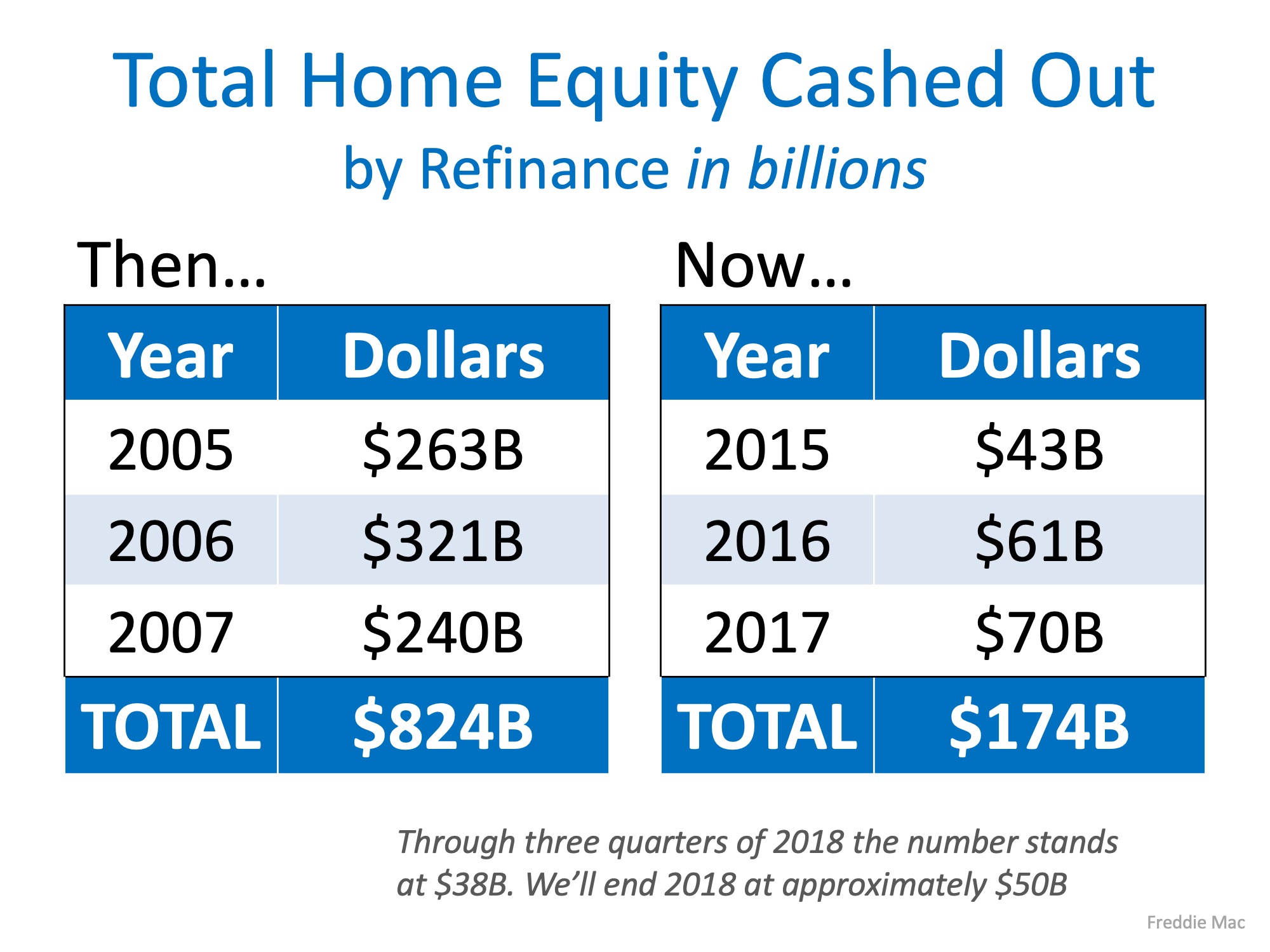
When real estate values began to surge last decade, people started using their homes as personal ATMs. Homeowners would refinance their houses and convert their equity into instant cash (known as “cash-out” refinances). Because homes were appreciating so rapidly, many homeowners tapped into their equity multiple times.

This left homeowners with little-or-no equity left in their homes, so when prices started to fall many homeowners found their houses in a negative equity situation (where the mortgage amount was greater than the value of the home). When some of these homeowners saw that there was no value left in their houses, they just stopped paying their mortgages altogether.

Banks eventually foreclosed on those homes and the foreclosures drove prices down even further and put more homes in the negative equity category. This cycle continued, leading to the worst housing crash in almost one hundred years.

What’s happening now…

Again, Americans are seeing their home equity grow. Today, over 48% of all single-family homes in the country have over 50% equity, and yes, some families are tapping into that equity. However, this time around, homeowners are not making irresponsible decisions. According to the latest information from Freddie Mac, the total equity being “cashed out” is a fraction of what it was leading up to the crash. Here are the numbers:

2008 vs. Now: Are Owners Using Their Homes as ATMs Again? | Simplifying The Market

Bottom Line

The recklessness that accompanied the build-up in equity prior to the last crash does not exist today. That makes this housing market much more secure than the one we had heading into 2008.

Home Prices Up 6.34% Across the Country! [INFOGRAPHIC]

Home Prices Up 6.34% Across the Country! [INFOGRAPHIC] | Simplifying The Market

Some Highlights:

  • The Federal Housing Finance Agency (FHFA) recently released their latest Quarterly Home Price Index report.
  • In the report, home prices are compared both regionally and by state.
  • Based on the latest numbers, if you plan on relocating to another state, waiting to move may end up costing you more!

Further Proof It’s NOT 2008 All Over Again

Further Proof It’s NOT 2008 All Over Again | Simplifying The Market

Home sales numbers are leveling off, the rate of price appreciation has slowed to more historically normal averages, and inventory is finally increasing. We are headed into a more normal housing market.

However, some are seeing these adjustments as red flags and are suggesting that we are headed back to the same challenges we experienced in 2008. Today, let’s look at one set of statistics that prove the current market is nothing like the one that preceded the housing crash last decade.

The previous bubble was partially caused by unhealthy levels of mortgage debt. New purchasers were putting down the minimum down payment, resulting in them having little if any equity in their homes.

Existing homeowners were using their homes as ATMs by refinancing and swapping their equity for cash. When prices started to fall, many homeowners found themselves in a negative equity situation (where their mortgage was higher than the value of their home) so they walked away which caused prices to fall even further. When this happened, even more homeowners found themselves in negative equity situations which caused them to walk away as well, and so a vicious cycle formed.

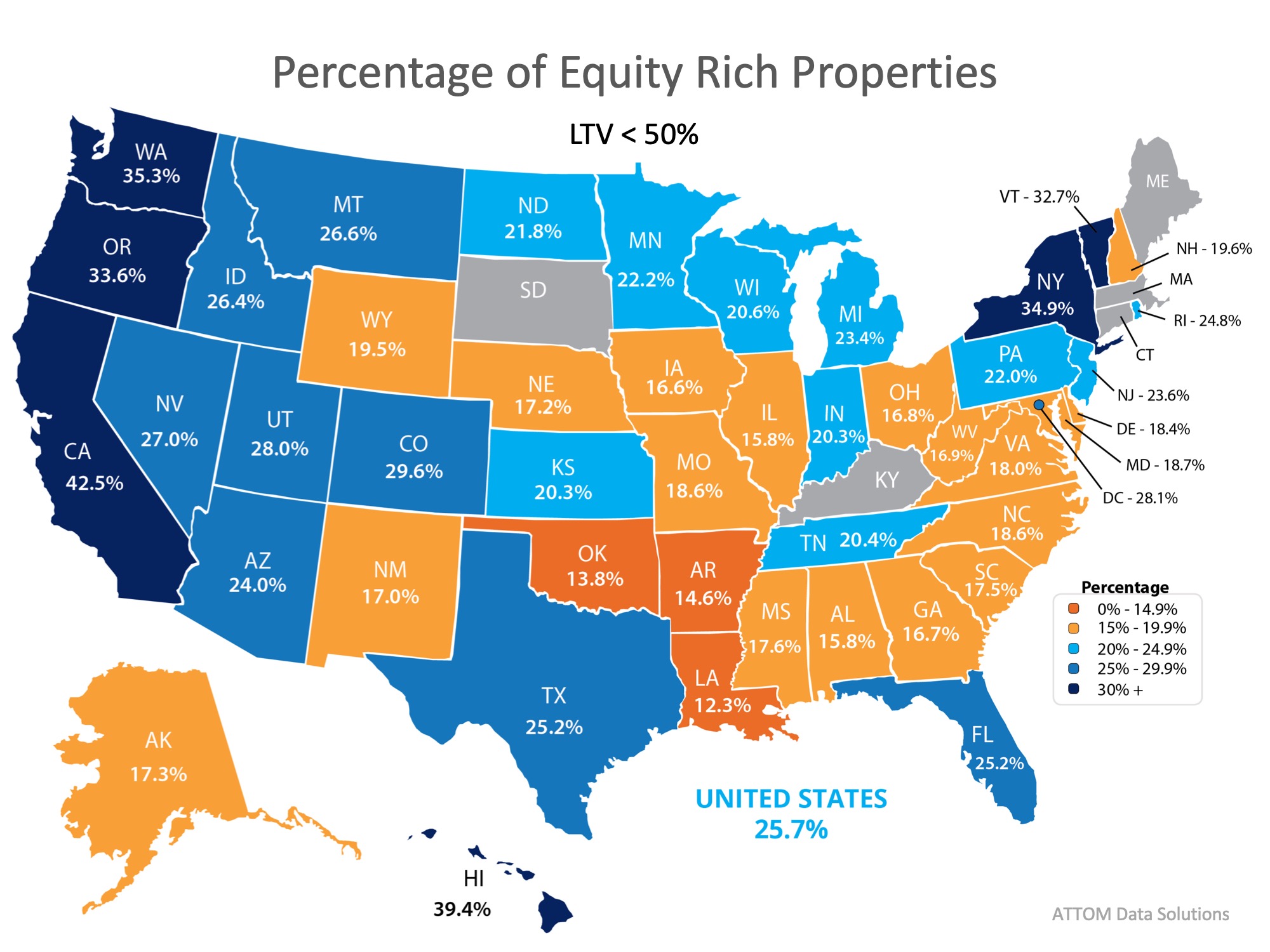
Today, the equity situation is totally different. According to a new report from ATTOM Data Solutions more than 1-in-4 homes with a mortgage have at least 50% equity. The report explains:

“…nearly 14.5 million U.S. properties were equity rich — where the combined estimated amount of loans secured by the property was 50 percent or less of the property’s estimated market value…The 14.5 million equity rich properties in Q3 2018 represented 25.7 percent of all properties with a mortgage.”

In addition, according to the U.S. Census Bureau, 30.3% of homes in the country have no mortgage on them.

Further Proof It’s NOT 2008 All Over Again | Simplifying The Market

Almost 50% of all homes have at least 50% equity.

If we take both numbers, the 30.3% of all homes without a mortgage and the 17.9% with at least 50% equity (25.7% of the 69.3% of homes with a mortgage), we realize that 48.2% of all homes in the country have at least 50% equity.

Bottom Line

Unlike 2008, almost half of the homeowners in the country are sitting on massive amounts of home equity. They will not be walking away from their homes if the housing market begins to soften.