Category Archives: For Buyers

Auto Added by WPeMatico

What is the Cost of Waiting Until Next Year to Buy? [INFOGRAPHIC]

What is the Cost of Waiting Until Next Year to Buy? [INFOGRAPHIC] | Simplifying The Market

Some Highlights:

  • The cost of waiting to buy is defined as the additional funds it would take to buy a home if prices & interest rates were to increase over a period of time.
  • Freddie Mac predicts interest rates to rise to 5.1% by the end of 2019.
  • CoreLogic predicts home prices to appreciate by 4.8% over the next 12 months.
  • If you are ready and willing to buy your dream home, find out if you are able to!

Last Chance! Homes are a Bargain Compared to Historic Norms

A loaf of bread used to be a nickel. A movie ticket was a dime.  Not anymore. Houses were also much less expensive than they are now. Inflation raised the price of all three of those items, along with the price of almost every other item we purchase.

The reason we can still afford to consume is that our wages have also risen over time. The better measure of whether an item is more expensive than it was before is what percentage of our income it takes to purchase that item today compared to earlier. Let’s look at purchasing a home.

The COST of a home is determined by three major components: price, mortgage interest rate, and wages. The big question? Are we paying a greater percentage of our income toward our monthly mortgage payment today than previous generations? Surprisingly, the answer is no.

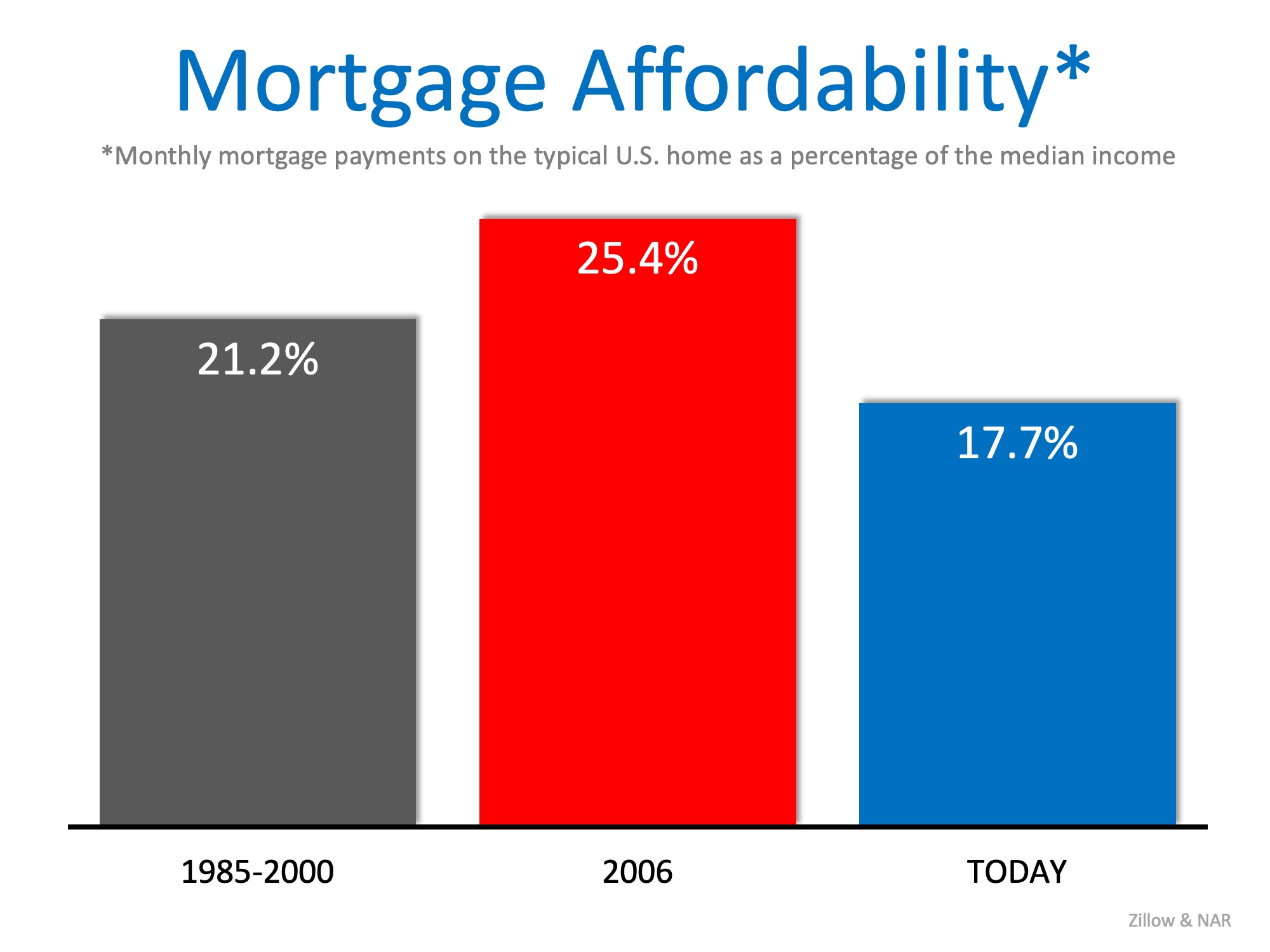
Historically, Americans have paid just over 21% of their income toward their monthly mortgage payment.

Though home prices are higher than before, wages have risen as well. And, the most important component in the cost equation – the mortgage rate – is dramatically lower than it was in the 1970s, 1980s, 1990s, and 2000s.

Today, according to the latest Home Affordability Index just released by the National Association of Realtors, Americans are paying 17.4% of their income toward their mortgage payment. That is much lower than the 21% average previous generations have paid.

Last Chance! Homes are a Bargain Compared to Historic Norms | Simplifying The Market

Bottom Line

The cost of purchasing a home today is a bargain compared to previous generations when we look at it from a percentage of income basis. However, with mortgage rates expected to increase and home prices continuing to appreciate, that will not always be the case. Whether you are buying your first home or looking to move-up to a more expensive home, purchasing sooner rather than later probably makes sense.

Buying a Home Young is the Key to Building Wealth

Homeowners who purchase their homes before the age of 35 are better prepared for retirement at age 60, according to a new Urban Institute study. The organization surveyed adults who turned 60 or 61 between 2003 and 2015 for their data set.

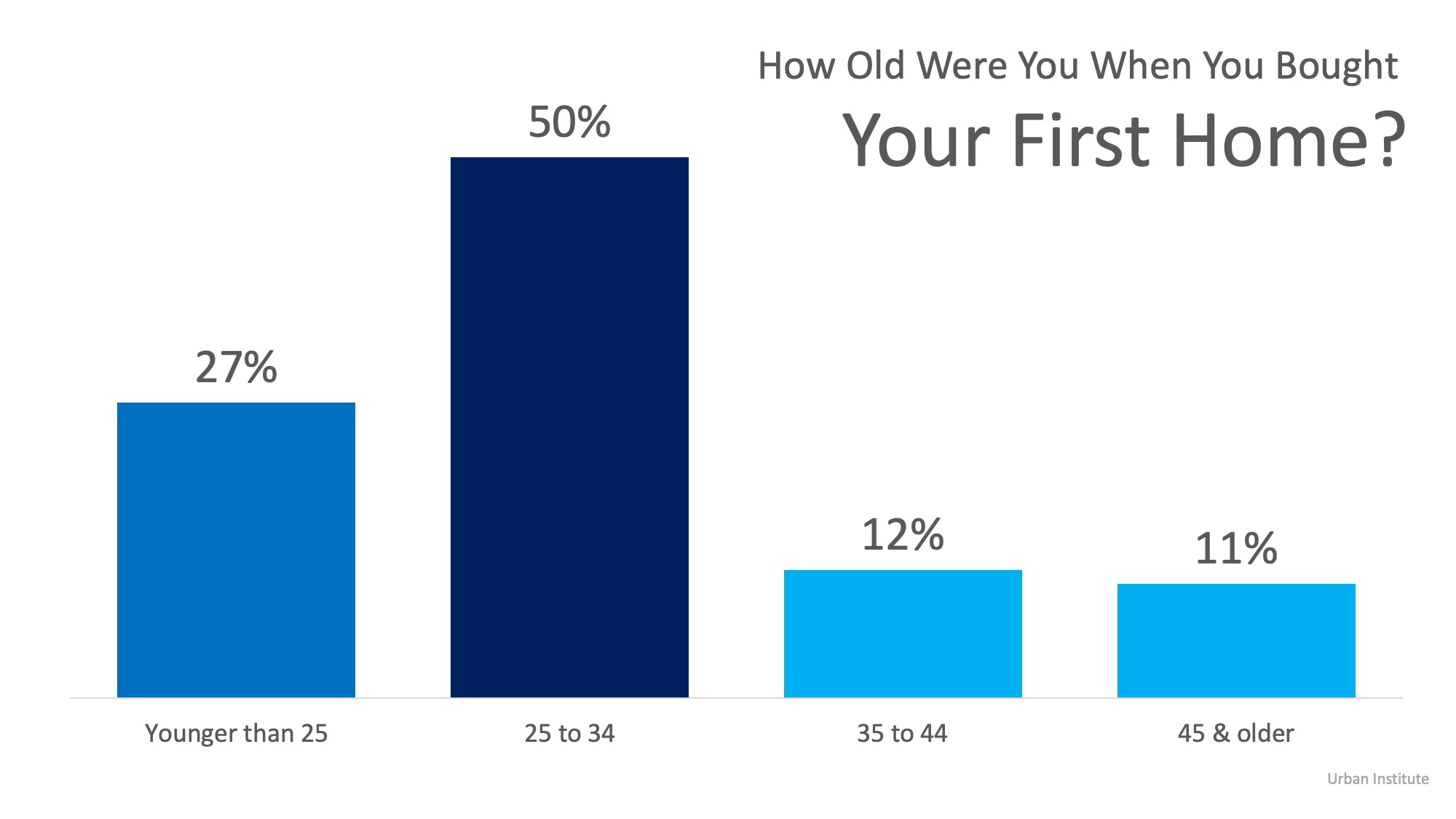
“Today’s older adults became homeowners at a younger age than today’s young adults. Half the older adults in our sample bought their first house when they were between 25 and 34 years old, and 27 percent bought their first home before age 25.”

The full breakdown is in the chart below:

Buying a Home Young is the Key to Building Wealth | Simplifying The Market

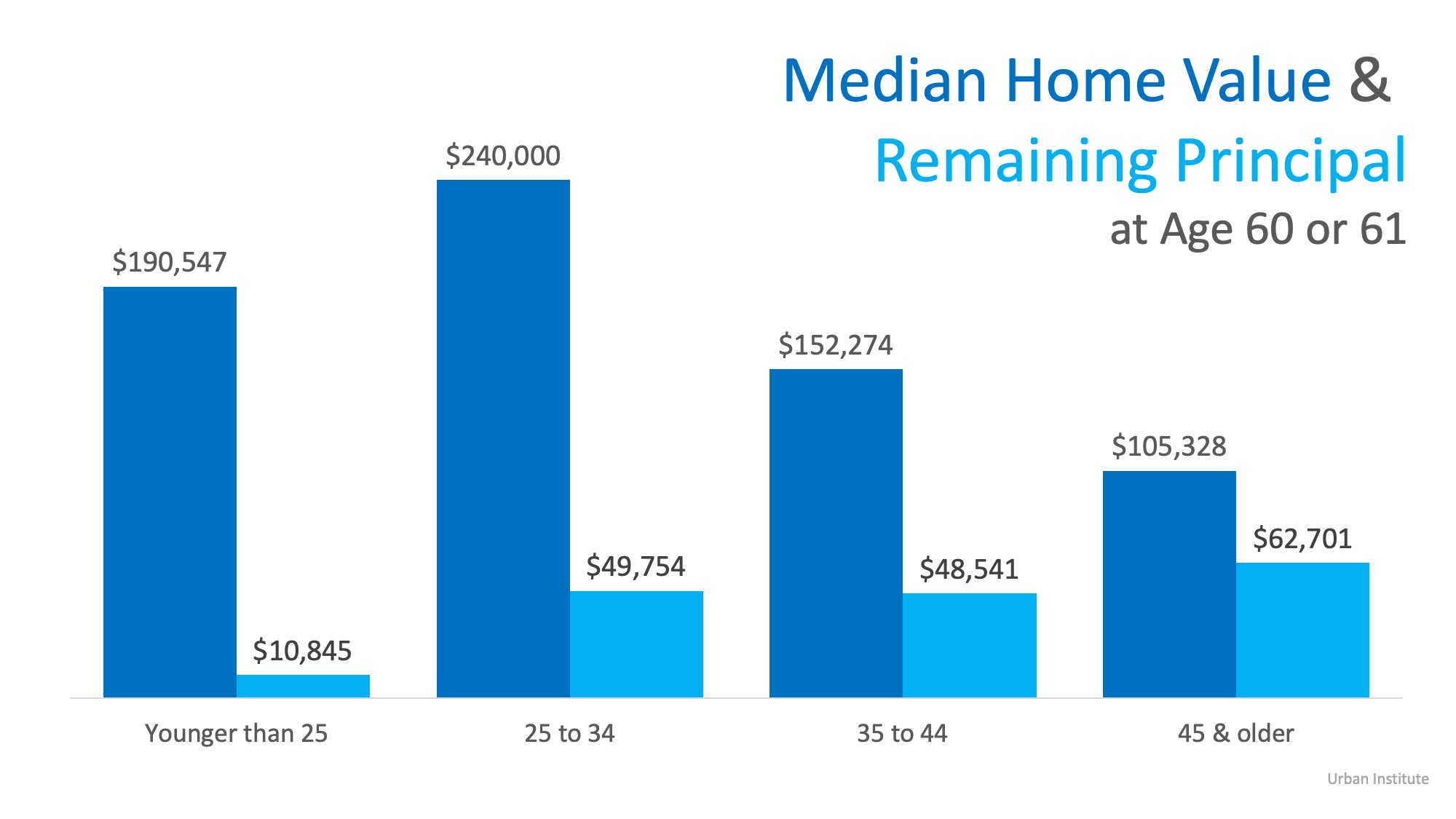
The study goes on to show the impact of purchasing a home at an early age. Those who purchased their first homes when they were younger than 25 had an average of $10,000 left on their mortgage at age 60. The 50% of buyers who purchased in their mid-twenties and early-30s had close to $50,000 left, but traditionally had purchased more expensive homes.

Buying a Home Young is the Key to Building Wealth | Simplifying The Market

Many housing experts are concerned that the homeownership rate amongst millennials, those 18-34, is much lower than previous generations in the same age range. The study results gave a great reason why this generation should consider buying instead of signing a renewal on their lease:

“As people age into retirement, they rely more heavily on their wealth rather than their income to support their lifestyles. Today’s young adults are failing to build housing wealth, the largest single source of wealth, at the same rate as previous generations.

While people make the choice to own or rent that suits them at a given point, maybe more young adults should take into account the long-term consequences of renting when homeownership is an option.”

Bottom Line

If you are one of the many young people debating whether buying a home this year is right for you, let’s get together to discuss your options!

Buying a House This Year? This Should Be Your 1st Step!

Buying a House This Year? This Should Be Your 1st Step! | Simplifying The Market

In many markets across the country, the number of buyers searching for their dream homes outnumbers the number of homes for sale. This has led to a competitive marketplace where buyers often need to stand out. One way to show that you are serious about buying your dream home is to get pre-qualified or pre-approved for a mortgage before starting your search.

Even if you are not in an incredibly competitive market, understanding your budget will give you the confidence of knowing whether or not your dream home is within your reach.

Freddie Mac lays out the advantages of pre-approval in the ‘My Home’ section of their website:

“It’s highly recommended that you work with your lender to get pre-approved before you begin house hunting. Pre-approval will tell you how much home you can afford and can help you move faster, and with greater confidence, in competitive markets.”

One of the many advantages of working with a local real estate professional is that many have relationships with lenders who will be able to help you through this process. Once you have selected a lender, you will need to fill out their loan application and provide them with important information regarding “your credit, debt, work history, down payment and residential history.”

Freddie Mac describes the ‘4 Cs’ that help determine the amount you will be qualified to borrow:

  1. Capacity: Your current and future ability to make your payments
  2. Capital or cash reserves: The money, savings, and investments you have that can be sold quickly for cash
  3. Collateral: The home, or type of home, that you would like to purchase
  4. Credit: Your history of paying bills and other debts on time

Getting pre-approved is one of many steps that will show home sellers that you are serious about buying, and it often helps speed up the process once your offer has been accepted.

Bottom Line

Many potential homebuyers overestimate the down payment and credit scores necessary to qualify for a mortgage. If you are ready and willing to buy, you may be pleasantly surprised at your ability to do so today.

The Cost Across Time [INFOGRAPHIC]

The Cost Across Time [INFOGRAPHIC] | Simplifying The Market

Some Highlights:

  • With interest rates still around 4.5%, now is a great time to look back at where rates have been over the last 40 years.
  • Rates are projected to climb to 5.0% by this time next year according to Freddie Mac.
  • The impact your interest rate makes on your monthly mortgage cost is significant!
  • Lock in a low rate now while you can!

Is the Recent Dip in Interest Rates Here to Stay?

Interest rates for a 30-year fixed rate mortgage climbed consistently throughout 2018 until the middle of November. After that point, rates returned to levels that we saw in August to close out the year at 4.55%, according to Freddie Mac’s Primary Mortgage Market Survey.

After the first week of 2019, rates have continued their downward trend. As Freddie Mac’s Chief Economist Sam Khater notes, this is great news for homebuyers. He states,

“Mortgage rates declined to start the new year with the 30-year fixed-rate mortgage dipping to 4.51 percent. Low mortgage rates combined with decelerating home price growth should get prospective homebuyers excited to buy.”

In some areas of the country, the combination of rising interest rates and rising home prices had made some first-time buyers push pause on their home searches. But with more inventory coming to market, continued price growth, and interest rates slowing, this is a great time to get back in the market!

Will This Trend Continue?

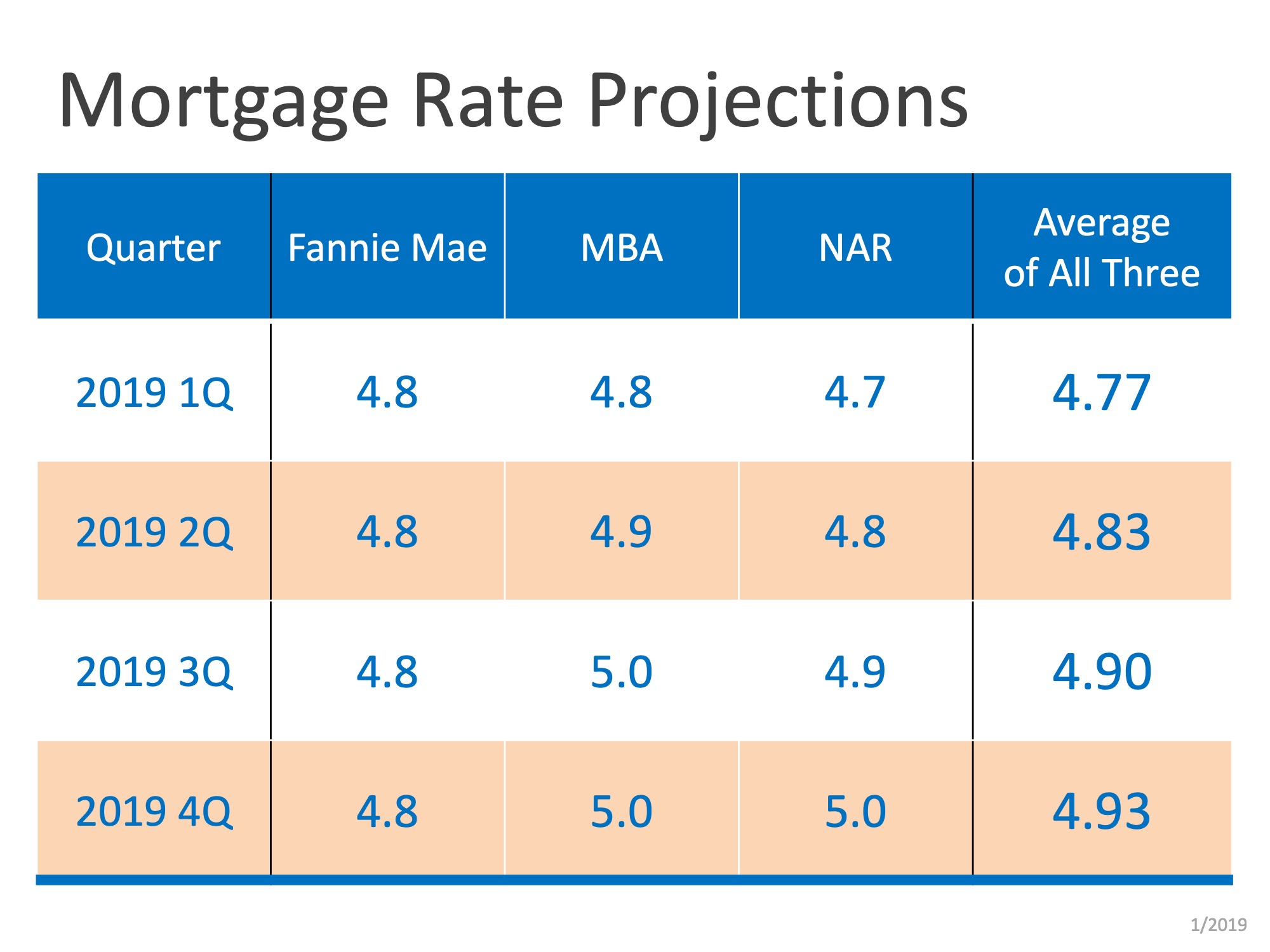
According to the latest forecasts from Fannie Mae, the Mortgage Bankers Association, and the National Association of Realtors, mortgage rates will increase over the course of 2019, but not at the same pace they did in 2018. You can see the forecasts broken down by quarter below.

Is the Recent Dip in Interest Rates Here to Stay? | Simplifying The Market

Bottom Line

Even a small increase (or decrease) in interest rates can impact your monthly housing cost. If buying a home in 2019 is on your short list of goals to achieve, let’s get together to find out if you are able to today.

Buying A Vacation Property? Now Is A Good Time!

Buying A Vacation Property? Now Is A Good Time! | Simplifying The Market

Every year around this time, many homeowners begin the process of preparing their homes in case of extreme winter weather. Some others skip winter all together by escaping to their vacation homes in a warmer climate.

For those homeowners staying at their first residence, AccuWeather warns:

“The late-week cold shot should fade next week, but this is a warning shot for winter’s return late in the month and early February.”

Given this, it’s time to go and stock up on winter weather supplies! However, if you’re tired of shoveling snow and dealing with the cold weather, maybe it’s time to consider obtaining a vacation home!

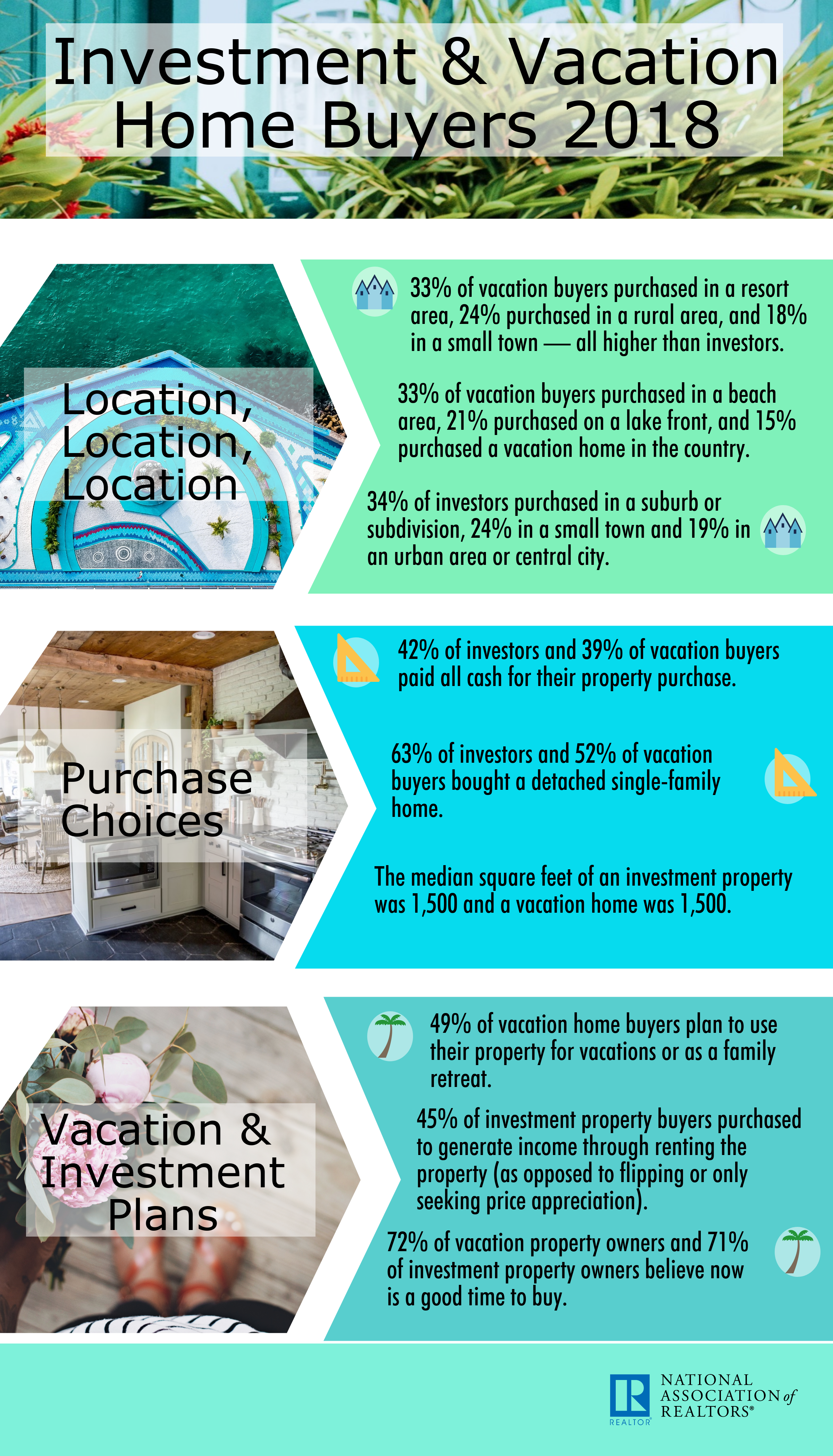
According to the Investment & Vacation Home Buyers 2018 Report by NAR:

72% of vacation property owners and 71% of investment property owners believe now is a good time to buy.”

It’s time to take advantage of the equity in your home. As the latest Equity Report from ATTOM Data Solutions stated:

“Nearly 14.5 million U.S. properties (are) equity rich — where the combined estimated amount of loans secured by the property was 50 percent or less of the property’s estimated market value — up by more than 433,000 from a year ago to a new high as far back as data is available, Q4 2013.

The 14.5 million equity rich properties in Q3 2018 represented 25.7 percent of all properties with a mortgage.”

This means that over a quarter of Americans who have a mortgage would be able to use some of their home equity to make a significant down payment toward a vacation home, and many are doing just that! According to the same report by NAR:

“33% of vacation buyers purchased in a beach area, 21% purchased on a lakefront, and 15% purchased a vacation home in the country.”

Many homeowners who are close to retirement will use some of their equity to purchase vacation homes, which may eventually become their permanent homes post-retirement!

Bottom Line

If you are a homeowner looking to take advantage of your home equity by investing in a vacation home, let’s get together to discuss your options!

Belief in Homeownership as an Investment is Far from Dead

Belief in Homeownership as an Investment is Far from Dead | Simplifying The Market

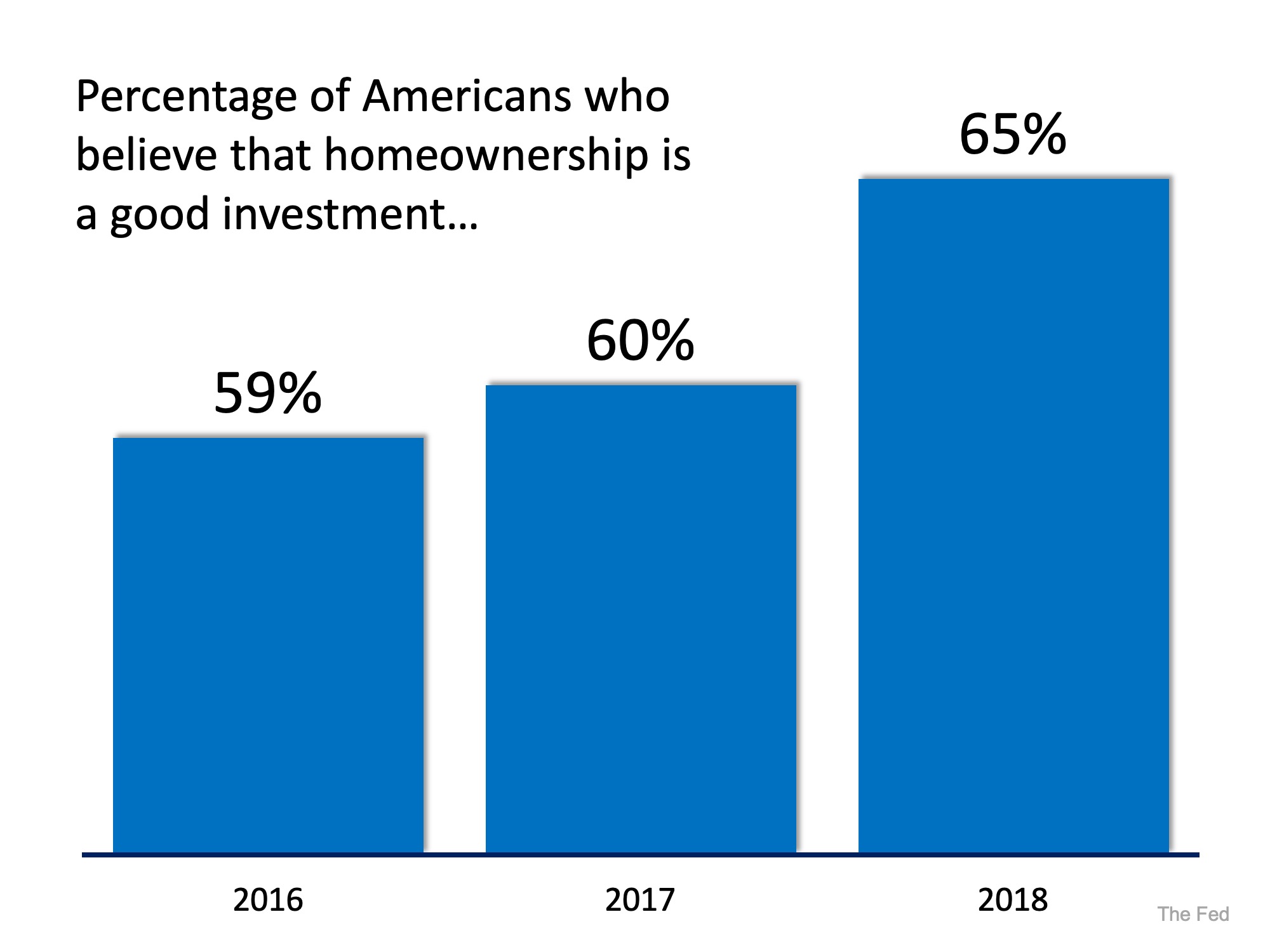
Following last year’s real estate market was like riding a rollercoaster. The market started off strong in 2018 and then softened before finishing with a mild flurry. However, one thing that did not waiver was America’s belief that owning a home makes sense from a financial standpoint.

An end-of-the-year survey by the Federal Reserve Bank’s Center for Microeconomic Data revealed that:

“The majority of households continue to view housing as a good financial investment.”

And that percentage has increased over the last three years.

Belief in Homeownership as an Investment is Far from Dead | Simplifying The Market

Bottom Line

Though there is some uncertainty as to how the real estate market will perform over the next twelve months, one thing remains very certain: America’s belief in homeownership.

Excited About Buying A Home This Year? Here’s What to Watch

Excited About Buying A Home This Year? Here's What to Watch | Simplifying The Market

As we kick off the new year, many families have made resolutions to enter the housing market in 2019. Whether you are thinking of finally ditching your landlord and buying your first home or selling your starter house to move into your forever home, there are two pieces of the real estate puzzle you need to watch carefully: interest rates & inventory.

Interest Rates

Mortgage interest rates had been on the rise for much of 2018, but they made a welcome reversal at the end of the year. According to Freddie Mac’s latest Primary Mortgage Market Survey, rates climbed to 4.94% in November before falling to 4.62% for a 30-year fixed rate mortgage last week. Despite the recent drop, interest rates are projected to reach 5% in 2019.

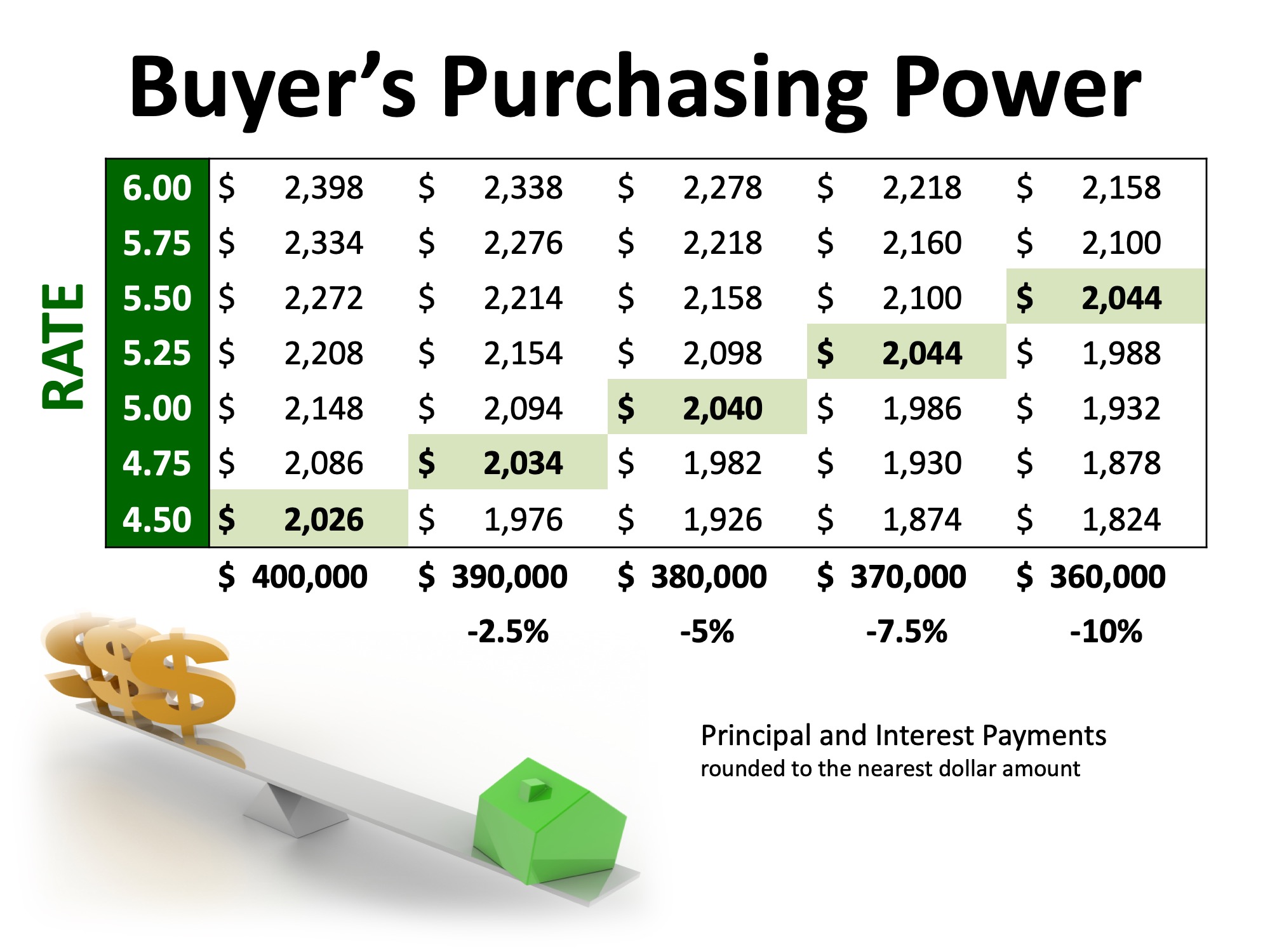
The interest rate you secure when buying a home not only greatly impacts your monthly housing costs, but also impacts your purchasing power.

Purchasing power, simply put, is the amount of home you can afford to buy for the budget you have available to spend. As rates increase, the price of the house you can afford to buy will decrease if you plan to stay within a certain monthly housing budget.

The chart below shows the impact that rising interest rates would have if you planned to purchase a $400,000 home while keeping your principal and interest payments between $2,020-$2,050 a month.
Excited About Buying A Home This Year? Here's What to Watch | Simplifying The Market

With each quarter of a percent increase in interest rate, the value of the home you can afford decreases by 2.5% (in this example, $10,000).

Inventory

A ‘normal’ real estate market requires there to be a 6-month supply of homes for sale in order for prices to increase only with inflation. According to the National Association of Realtors (NAR), listing inventory is currently at a 3.9-month supply (still well below the 6-months needed), which has put upward pressure on home prices. Home prices have increased year-over-year for the last 81 straight months.

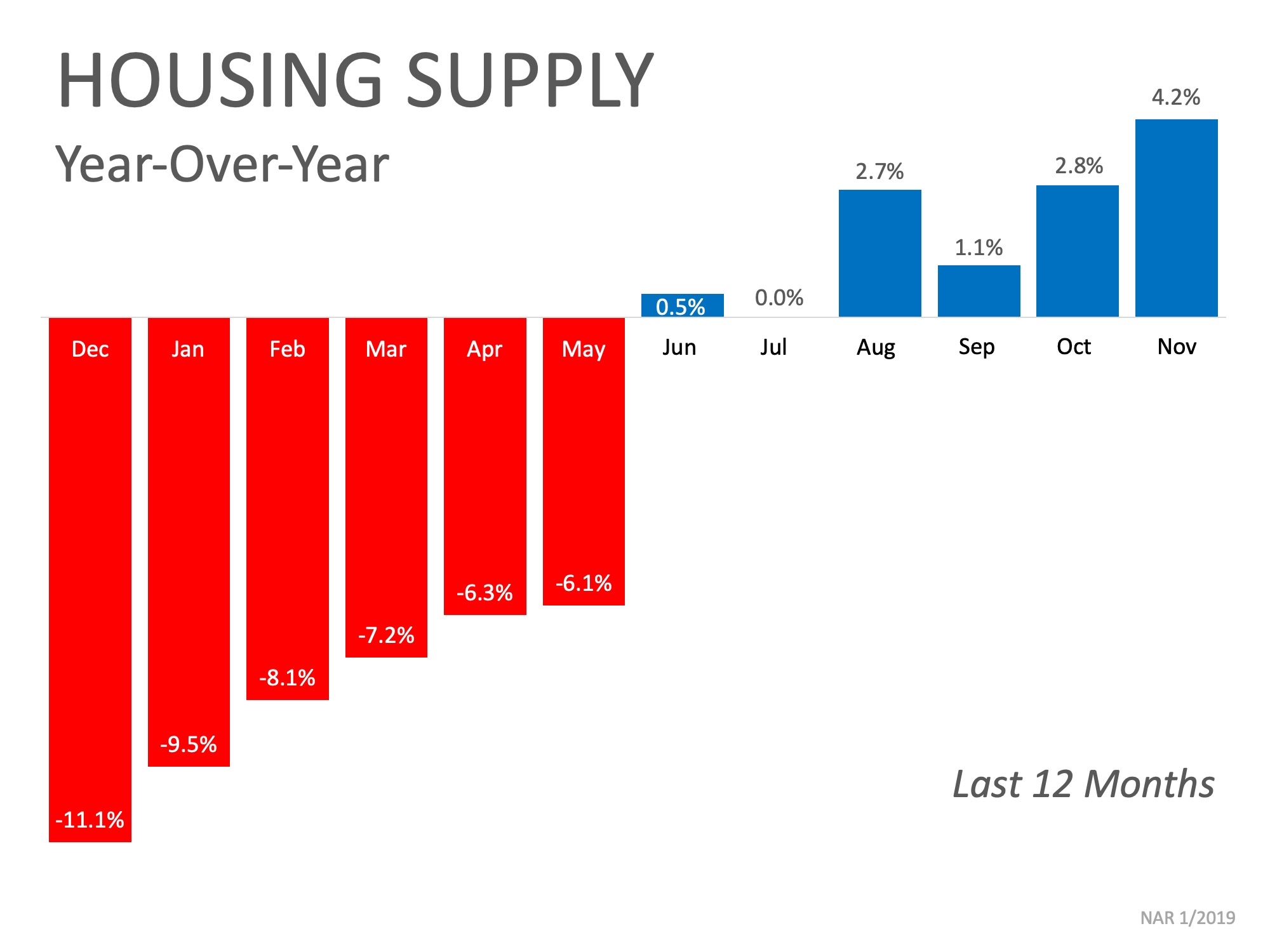
The inventory of homes for sale in the real estate market had been on a steady decline and experienced year-over-year drops for 36 straight months (from July 2015 to May 2018), but we are starting to see a shift in inventory over the last six months.

The chart below shows the change in housing supply over the last 12 months compared to the previous 12 months. As you can see, since June, inventory levels have started to increase as compared to the same time last year.
Excited About Buying A Home This Year? Here's What to Watch | Simplifying The Market

This is a trend to watch as we move further into the new year. If we continue to see an increase in homes for sale, we could start moving further away from a seller’s market and closer to a normal market.

Bottom Line

If you are planning to enter the housing market, either as a buyer or a seller, let’s get together to discuss the changes in mortgage interest rates and inventory and what they could mean for you.


Where is the Housing Market Headed in 2019? [INFOGRAPHIC]

Where is the Housing Market Headed in 2019? [INFOGRAPHIC] | Simplifying The Market

Where is the Housing Market Headed in 2019? [INFOGRAPHIC] | Simplifying The Market

Some Highlights:

  • ­Interest rates are projected to increase steadily throughout 2019, but buyers will still be able to lock in a rate lower than their parents or grandparents did when they bought their homes!
  • Home prices will rise at a rate of 4.8% over the course of 2019 according to CoreLogic.
  • All four major reporting agencies believe that home sales will outpace 2018!